
Last updated November 17, 2026
How Long Does Blown-In Insulation Take? Timelines and What to Expect
A crew that quotes you a one-day attic insulation job and shows up with a blowing machine but no blower-door panel has already told you something important about which phase they’re skipping. We’ve run enough attics in Las Vegas to know the clock time homeowners ask about is rarely the number that matters. What matters is how long the air-sealing phase runs before the first bag of insulation opens. Skipping or compressing that phase is exactly how a six-hour job produces a home that tests worse than it should. This guide breaks a properly sequenced blown-in job into its real phases, with realistic durations for each, so you can spot a contractor who is cutting the diagnostic step before they ever set foot in your attic.
Quick Answer
A properly sequenced blown-in insulation job on a typical single-story Las Vegas home takes 5 to 11 hours of active work, usually split across a single day or two half-days. The insulation installation itself is only 1 to 4 hours of that. The rest is the pre-job blower-door test, air sealing, and the post-job retest that proves what changed. A crew that tells you “three hours, done by lunch” is describing only the material-blowing portion and leaving out the parts that decide whether the job works.
Table of Contents
- The Four Phases of a Blown-In Job
- Why the Pre-Job Blower-Door Test Takes an Hour or Two
- Air Sealing: The Phase That Sets Your Schedule
- Blowing the Insulation: The Fast Part
- The Post-Job Retest and What It Proves
- Las Vegas Timing: Heat, Crew Hours, and Single-Day Scheduling
- Job Conditions That Add Hours
- What You Walk Away With
The Four Phases of a Blown-In Job
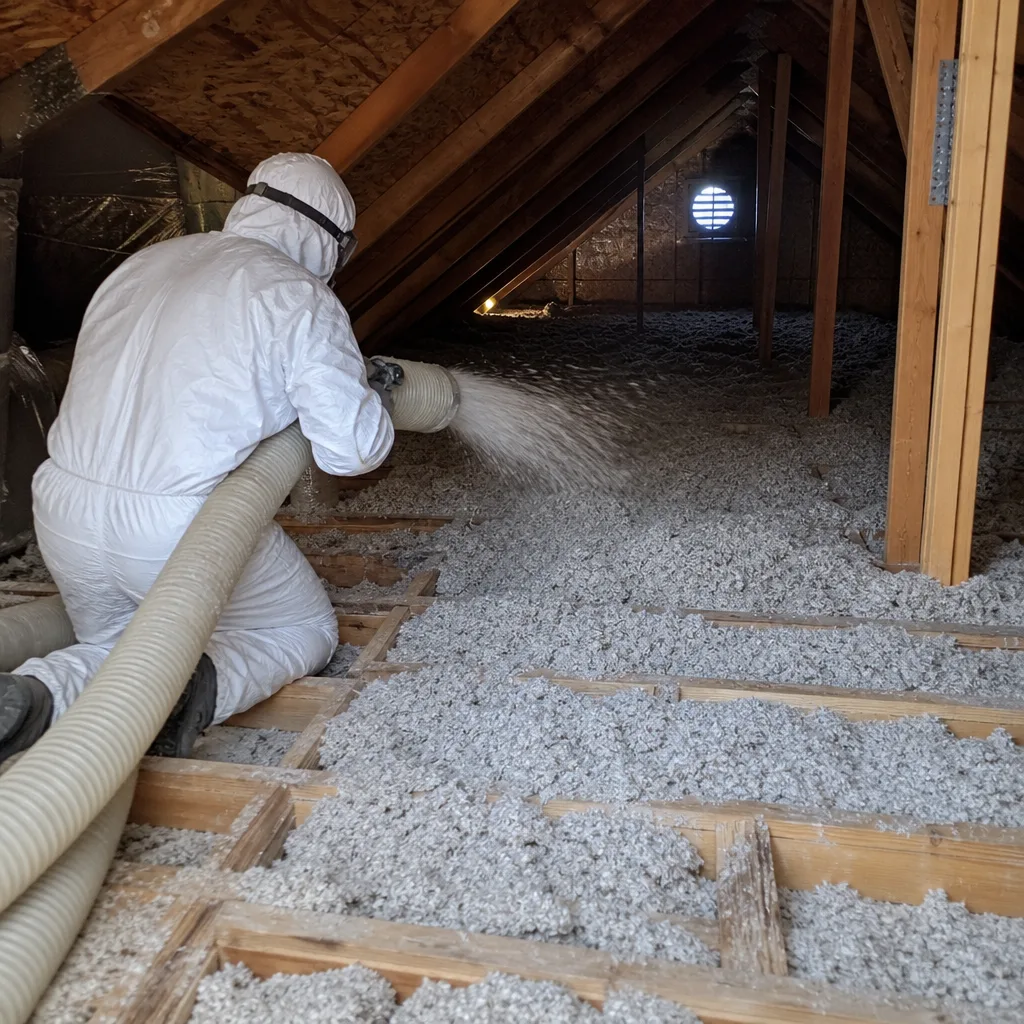
Every blown-in job we run is sequenced into four named phases. Each one has a duration you can plan around, and each one exists for a reason. Collapse any of them and the whole job inherits the damage.
- Pre-job blower-door test (1-2 hours). We pressurize the house to a set pressure and measure how much air escapes through the building envelope. That baseline number is the “before” half of the reading you’ll get at the end.
- Air sealing (2-6 hours). Sealing top plates, penetrations, recessed can lights, and any bypasses we found in the test. This is the slow, fussy phase, and it’s where most of your schedule goes.
- Material installation (1-4 hours). Blowing the insulation to the target R-value and depth. Fast, but only useful once phase two is done.
- Post-job blower-door retest (1 hour). Same test, same pressure, new number. The difference between the two readings is the deliverable.
Add a fifth phase on some jobs: removal of damaged or contaminated insulation before any of the above. That can add a half-day or more on its own, which is why a full attic assessment matters before anyone quotes a schedule. If you’ve never had your attic looked at, an Attic Insulation in Las Vegas assessment is the right starting point. Total elapsed time for all four phases on a typical 1,500- to 2,200-square-foot home: 5 to 11 hours of active work, spread over one to two days.
Why the Pre-Job Blower-Door Test Takes an Hour or Two
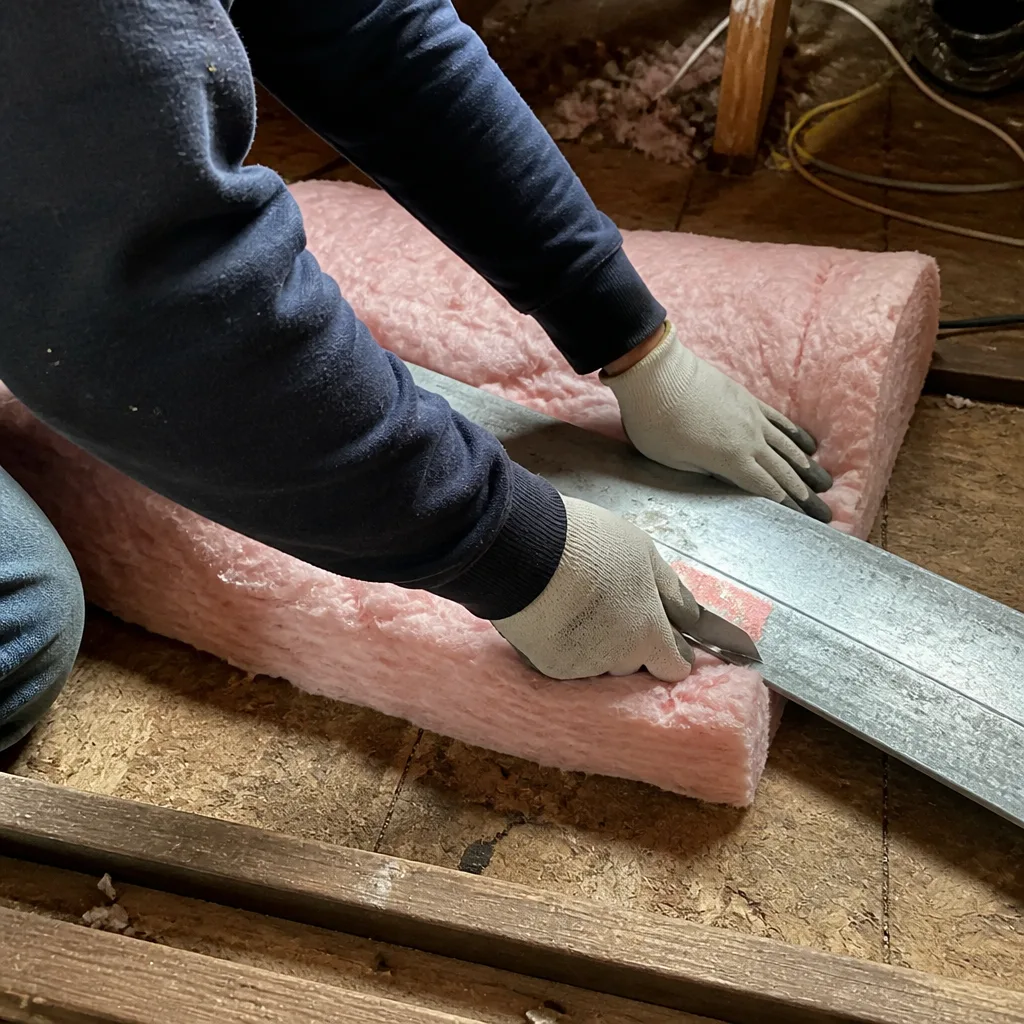
The blower-door test is a pressurization reading that shows, in a single number, how much air your building envelope is losing. A fan mounts into an exterior door, we run the house to a fixed pressure (usually -50 Pascals), and the gauge tells us the leak rate in CFM50, or cubic feet per minute at 50 Pascals. A leaky 1990s Las Vegas tract home might read 4,500 CFM50. A tight one might read 2,800. We don’t know which yours is until we test.
Why it takes an hour or two and not ten minutes:
- We walk the house to close windows, seal exterior doors except the blower-door panel, and shut down combustion appliances safely.
- We verify the pressure reading is stable and calibrate against outdoor conditions, which in Las Vegas summer afternoon heat can be 110°F or higher and affect the baseline.
- We use a thermal camera during the test to find the leaks the number doesn’t name individually: bypasses at top plates, can-light housings, dropped ceilings in hallways, and behind knee walls.
- We write down the reading. The number goes on the report before any work starts.
That baseline number is what makes the post-job number meaningful. Without it, the “after” reading is just an unlabeled figure. With it, you’re looking at a documented air-loss reduction that belongs to your house, not a marketing claim.
Air Sealing: The Phase That Sets Your Schedule
Air sealing is the slowest phase, and it’s the one a rushed contractor cuts. Blowing insulation over an unsealed attic floor is a way to hide leaks rather than fix them. In our experience, the sealing phase runs 2 to 6 hours depending on how many bypasses we find. Older Las Vegas homes in established neighborhoods like Paradise Palms and Sunrise Manor often have more bypasses than newer builds in Summerlin or Inspirada, where building codes tightened after the mid-2000s.
What the sealing phase actually involves:
- Top plates. The framing at the top of every wall leaks air from the conditioned space into the attic. We seal the gap with foam or caulk, room by room.
- Recessed can lights. Older cans vent straight into the attic. We build a sealed box around each one, or replace non-IC-rated cans with airtight fixtures.
- HVAC duct penetrations. Every duct boot through the ceiling is a hole. We seal each one with mastic or foam.
- Plumbing and wiring penetrations. Every wire, pipe, and vent that passes from the conditioned space into the attic is a potential bypass.
- Chases and soffit air barriers. Dropped ceilings, chimney chases, and interior soffits can leak badly and need rigid or foam blocking before they’re sealed.
A crew that finishes “sealing” in 45 minutes on a 2,000-square-foot attic has probably sealed a dozen obvious spots and skipped the rest. This is why Envelope Insulation Co. treats air sealing as a hard prerequisite, not an upsell. We won’t blow insulation over an unsealed attic floor, full stop. If you’re also planning to work under the home, Crawl Space Encapsulation & Vapor Barrier in Las Vegas has the same phase logic: seal the source of the leak, then add the barrier.
Blowing the Insulation: The Fast Part
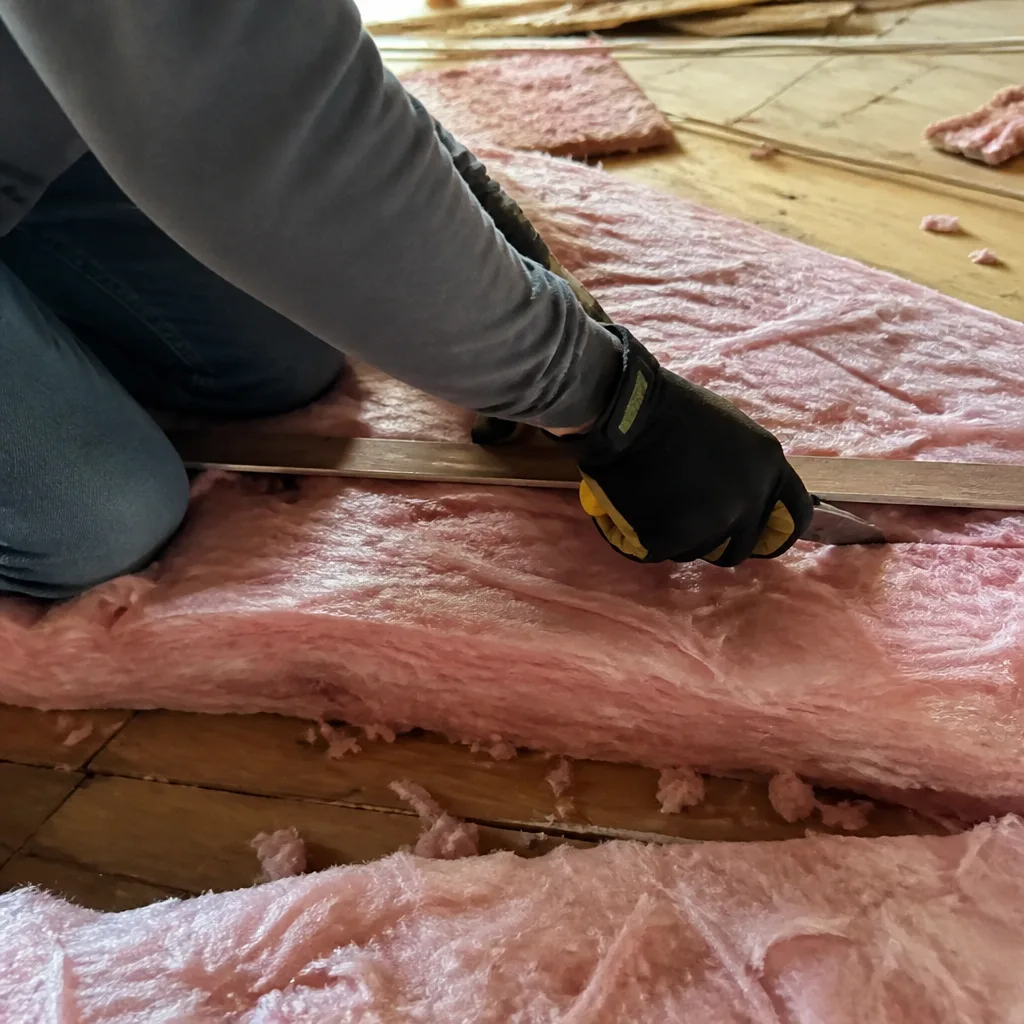
Once the attic floor is sealed, the blow-in phase is straightforward. A two-person crew runs it in 1 to 4 hours on a typical house depending on square footage, target R-value, and how many partition walls split the attic floor into separate bays. A clean, open, single-gable attic moves fast. A 1950s Las Vegas ranch with multiple knee walls and dormers slows the crew down because they have to reposition hoses and confirm depth in each bay.
How we run the blow-in phase:
- Set up the blowing machine at the truck, run the hose to the attic access, and put down what we need to keep the access path clean.
- Install depth markers in every bay before the first bag opens. Target R-value dictates the depth; R-49, common in Las Vegas attic retrofits, needs about 14 to 15 inches of blown fiberglass or 12 to 13 inches of cellulose. Without depth markers, crews guess, and guessing is how a job ends up under target.
- Blow in passes, checking depth against the markers as each section fills.
- Feather and rake into an even layer, especially at the eaves where baffles protect the soffit vents.
We use fiberglass from Johns Manville and Knauf and, on jobs where a mineral-wool product fits the plan, Rockwool. Choosing a material depends on the home’s existing insulation, fire-blocking needs, and the depth the framing allows. On attics where the insulation layer itself is being replaced under a different scope, Spray Foam Insulation in Las Vegas covers the cases where a foam assembly beats a loose-fill layer outright. For most retrofits, blown-in at the right depth wins on cost per R-value and stays that way.
The Post-Job Retest and What It Proves
The post-job blower-door retest takes about an hour and adds that hour to your total schedule. It is also the most important hour of the job. The retest runs the same fan at the same pressure, and the new number is the reading your home’s performance actually changed to. On a well-sealed job, the reading can drop by 20 to 40 percent. A home at 4,500 CFM50 before sealing and 2,700 after has a documented reduction of 1,800 CFM50. That’s the number that belongs on the report, not an adjective.
We run the retest before the crew packs up, while the attic is still accessible and the house is still set up for the test. If a reading comes back higher than expected, we diagnose it before we leave, not a week later. Under the Haven Standard, the retest number goes onto the same job report that carries the written scope and before-after photo log. You receive it the same day the work is completed.
Why the retest matters more than the installation itself: the insulation is a standardized product. Almost anyone can blow fiberglass into an attic. The reading after the work is what tells you whether the crew treated your house as an air system or as a warehouse floor they dumped material onto.
Las Vegas Timing: Heat, Crew Hours, and Single-Day Scheduling
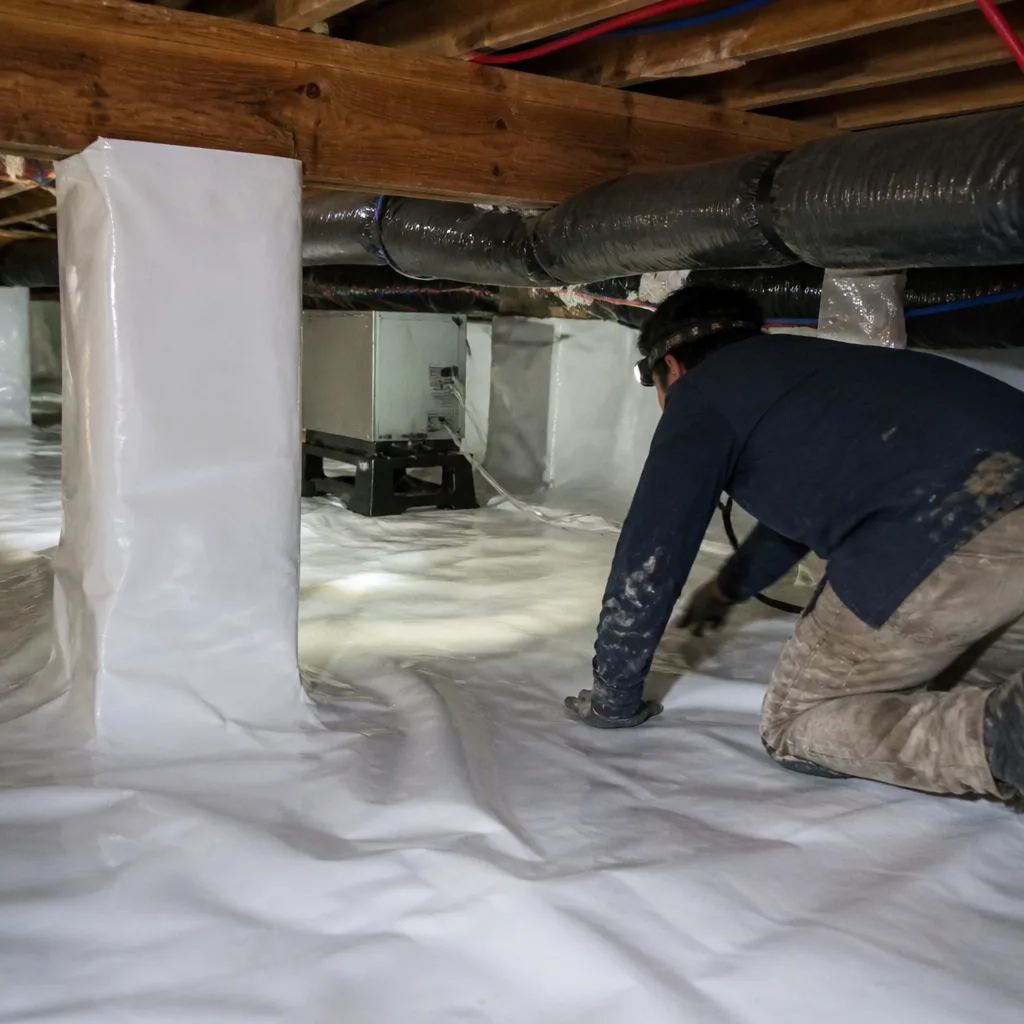
Any attic job in Las Vegas between May and September is also a heat-exposure job. Attic temperatures routinely hit 140°F to 160°F by midmorning, and OSHA heat-exposure guidelines mean crews working in those conditions have to either start early, work in short intervals with cooldowns, or split the job across two days. That has real schedule consequences.
What that looks like in practice:
- Summer single-day jobs start before 7 a.m. The pre-job blower-door test and air-sealing phase often run in the cool early hours. The blow-in phase either finishes before the attic gets dangerous or waits until after 4 p.m. when the sun has dropped off the roof deck.
- Winter jobs compress. A November through March job in Las Vegas can run all four phases in a single day without heat breaks. Attic temps in January are uncomfortable but workable.
- Shoulder season is the sweet spot. April, October, and early November offer the best single-day throughput. We book those months earliest for exactly that reason.
If you’re scheduling in summer, expect the crew to build in cooldown windows, and expect the job to split into a morning block and an afternoon block. That’s not a delay. It’s a crew following the safety rules. If you’re in an older home or have questions about a two-story where the attic layout complicates the schedule, the team at our Envelope Insulation Las Vegas home page can walk through the setup for your specific house.
Job Conditions That Add Hours
The 5-to-11-hour range assumes a straightforward job. Several conditions push the schedule longer. Each is worth knowing before you compare quotes, because a contractor who bid the job low probably missed them.
- Recessed can lights. A house with 20 or 30 non-IC cans takes two to three extra hours to seal properly. Each can is a small, fiddly enclosure, not a pass with the foam gun.
- Knee-wall framing. Knee walls create air-leak points along every side of the attic. Sealing them means cutting rigid blocking and foam-sealing the edges, often five to ten times longer than an open-gable sealing phase.
- HVAC duct bypasses. Leaky ducts running through the attic are a common Las Vegas pattern. Sealing them adds hours and sometimes requires a duct-blaster test to identify the leaks before sealing.
- Existing damaged insulation removal. If the existing layer is soaked, rodent-contaminated, or dense-packed at the wrong depth, it has to come out before anything new goes in. That’s often a half-day of work on its own and a separate scope item.
- Attic access problems. A cramped 18-by-24-inch scuttle in a hallway closet slows every crew visit and sometimes limits what tools can reach the attic.
- Baffle and vent work. Attics where the soffit vents have been buried or blocked need new baffles installed before blowing. Skipping this step blocks ventilation and creates a moisture problem.
If your home piles three or four of these together, the honest range is a two-day job, not a one-day job. Betting on the one-day version is how a homeowner ends up with a compressed air-sealing phase and a blower-door reading that barely moved.
What You Walk Away With
The job doesn’t end when the crew pulls out of the driveway. The documentation is the actual product, and it’s available the same day in most cases. Under the Haven Standard, every job begins with a written price and ends with a documented record. On attic-specific work, that record includes:
- Same-day blower-door report. The before and after CFM50 readings, printed, with the test conditions noted. This is the piece that most directly answers “did the work change anything?”
- R-value certificate. The installed depth, the material, and the target R-value at completion, on company letterhead. Useful if you ever sell the home or need it for a utility rebate.
- Full photo log. Before, during, and after photos of the sealing work and the finished insulation depth. The Documented Photo Record is included on every job as a matter of course, not on request.
- Written warranty. The 365-Day Done Right Promise in writing, tied to the specific job scope. Under the Haven Standard, that written warranty is delivered before anyone lifts a tool.
If you’re already reviewing quotes, a free second opinion on any written estimate will tell you whether the bid you’re holding accounted for the air-sealing phase and the post-job retest. If the quote includes neither, the schedule it showed you is describing a different job.
Common Mistakes to Avoid
- Comparing quotes only on the insulation number. A quote that names $X for “attic insulation, R-49” without a sealing phase and a retest is not the same scope as one that does. The insulation material is a commodity; the sealing and testing are the labor.
- Letting a crew blow over an unsealed attic floor. Insulation blown over bypasses traps the leaks under a layer of fiberglass and makes them harder to find later. It also produces a home that tests barely different than it did before.
- Scheduling a summer job without heat breaks in the plan. A Las Vegas crew that promises an eight-hour single-day job in July without addressing heat exposure is telling you they’ll work through unsafe attic temperatures. That’s a red flag, not a competitive bid.
- Skipping the pre-job test because “we can see the leaks.” Visual inspection finds obvious bypasses. A blower-door test finds the ones you can’t see. Without the baseline number, there’s no proof the job moved the needle.
- Settling for a verbal scope. If the depth, the R-value, the sealing items, and the retest aren’t written down before work starts, they are negotiable when the crew is on-site. Under the Haven Standard, a written price and a written scope come first, every time.
- Assuming “R-49” means the same thing on every bid. The depth that hits R-49 depends on the material. Blown fiberglass, cellulose, and mineral wool each need different inches to reach the same value. A bid that names the R-value without the material and depth is missing something.
- Forgetting the soffit baffles. Blowing insulation into the eaves without baffles blocks roof ventilation, which in Las Vegas summer heat would rather have airflow than dead air. Baffles take minutes to install and are a routine skip on low bids.
When to Call a Professional
Some attic work falls clearly on the professional side of the line. If your blower-door reading has never been measured and you’re planning any insulation change, that’s a call. If you see daylight or feel a draft from can lights, top plates, or dropped ceilings, the sealing work needs to happen before insulation. If your existing insulation is soaked from a roof leak, rodent-contaminated, or visibly settled below the joist tops, removal and replacement are in scope, not a top-off. And if you’re comparing written estimates and want a second read on what’s actually being proposed, Envelope Insulation Co. offers a free second opinion on any written estimate. Every job starts with a written price before any work begins, and the Documented Photo Record ships with the job. Call (833) 362-4859 for a free estimate in Las Vegas.
Frequently Asked Questions
A properly sequenced job on a typical Las Vegas home takes 5 to 11 hours of active work, usually across one day or two half-days. The insulation itself takes 1 to 4 hours; the rest is the pre-job blower-door test, air sealing, and post-job retest. In summer, heat-exposure safety rules often split the job into morning and late-afternoon blocks.
Yes, if the home doesn’t need insulation removal, the attic layout is open, and the season allows it. Winter, spring, and fall jobs in Las Vegas regularly fit in a single day. Summer jobs may split into two days because crews can’t safely work a 150°F attic without cooldown windows.
The pre-job test establishes the baseline leak rate in CFM50 – your home’s air loss at a fixed pressure. Without that baseline, the post-job retest has nothing to compare against, and the homeowner has no documented proof the work changed anything. The number is the deliverable, and it doesn’t exist without a before reading.
Air sealing usually runs 2 to 6 hours on a Las Vegas home, depending on how many bypasses we find. Recessed can lights, knee-wall framing, and duct penetrations each add meaningful time. Older neighborhoods with pre-2000 builds often need more sealing hours than newer construction because code requirements for air barriers were less strict.
You should receive a same-day blower-door report showing the before and after CFM50 readings, an R-value certificate, a photo log documenting the sealing and installation, and a written warranty. At Envelope Insulation Co., those arrive as part of the standard job record under the Haven Standard, not on request.
Yes, significantly in summer. Attics routinely reach 140°F or higher by midmorning, and OSHA heat-exposure guidelines require crews to either start before 7 a.m., work in short intervals with cooldowns, or split the job across two days. That’s not a slowdown – it’s how a professional crew manages the conditions.
The Bottom Line
Ask a contractor “how long does blown-in insulation take” and you’ll get a clock number. Ask what phases that clock covers and you’ll get a real answer. A properly sequenced job in Las Vegas runs 5 to 11 hours of active work: 1 to 2 hours for the pre-job blower-door test, 2 to 6 hours for air sealing, 1 to 4 hours for installation, and 1 hour for the retest. The material is fast. The phases that protect the result are slow, and they’re the ones a rushed contractor cuts. Insist on a written scope before anyone starts, and insist on the before-and-after blower-door numbers on every job. The number after the work is the only proof that the work mattered.
Written by the team at Envelope Insulation Co.