
Last updated November 17, 2026
How Long Does Attic Insulation Take? Timelines and What to Expect
A crew can blow 2,000 square feet of attic to R-38 in about three hours. The air sealing that should come first – top plates, penetrations, chases – takes another four to six. Any quote that doesn’t account for that second number is quoting you a different, shorter job.
That gap between “the insulation takes three hours” and “the job takes a full day” is where most of the confusion around attic insulation timelines lives. In this guide we break the job into its actual phases, from the pre-job blower-door test to the documentation handoff at the end, so you know exactly what “one day” includes. We’ll cover the variables that push a job into a second day, the drying window spray foam requires, and the scheduling red flags worth walking away from. Everything here is written from what we see in Las Vegas attics – the low slopes, the HVAC equipment parked in the middle of the deck, the 2015-to-2025 build stock that’s already losing air at the ceiling plane.
Quick Answer
A typical attic insulation job in Las Vegas takes one full working day – usually 8 to 10 hours on site for a single-story home in the 1,800 to 2,500 square foot range. The insulation installation itself is only 2 to 4 hours of that; the rest is the pre-job blower-door test, air sealing, and the post-job verification. Jobs that require old insulation removal, spray foam with a cure window, or work in a low-clearance attic can run into a second day.
Table of Contents
- The Phase-by-Phase Time Breakdown
- Why the Blower-Door Test Bookends the Job
- Air Sealing: The Hours Nobody Quotes
- The Insulation Installation Itself
- What Extends the Timeline
- Spray Foam and the 24-Hour Cure Window
- The Documentation Handoff at Completion
- Scheduling Red Flags to Watch For
The Phase-by-Phase Time Breakdown
Here’s what a full day actually looks like for a standard Las Vegas attic insulation job, in the order the phases happen. Keep in mind these are real on-site hours, not billable hours – setup and cleanup are folded in where they belong.
- Pre-job blower-door test (1 to 2 hours). A blower door is a calibrated fan mounted in an exterior door frame; it pressurizes the house and measures how much air the building envelope is losing, reported in CFM50 (cubic feet per minute at 50 pascals). This reading is your baseline. Without it, there’s no way to prove the job did anything beyond adding material.
- Air sealing (3 to 8 hours). Top plates, can lights, wiring penetrations, plumbing chases, the furnace flue – every hole between the conditioned space and the attic gets sealed. The range is wide because the penetration count varies wildly from home to home.
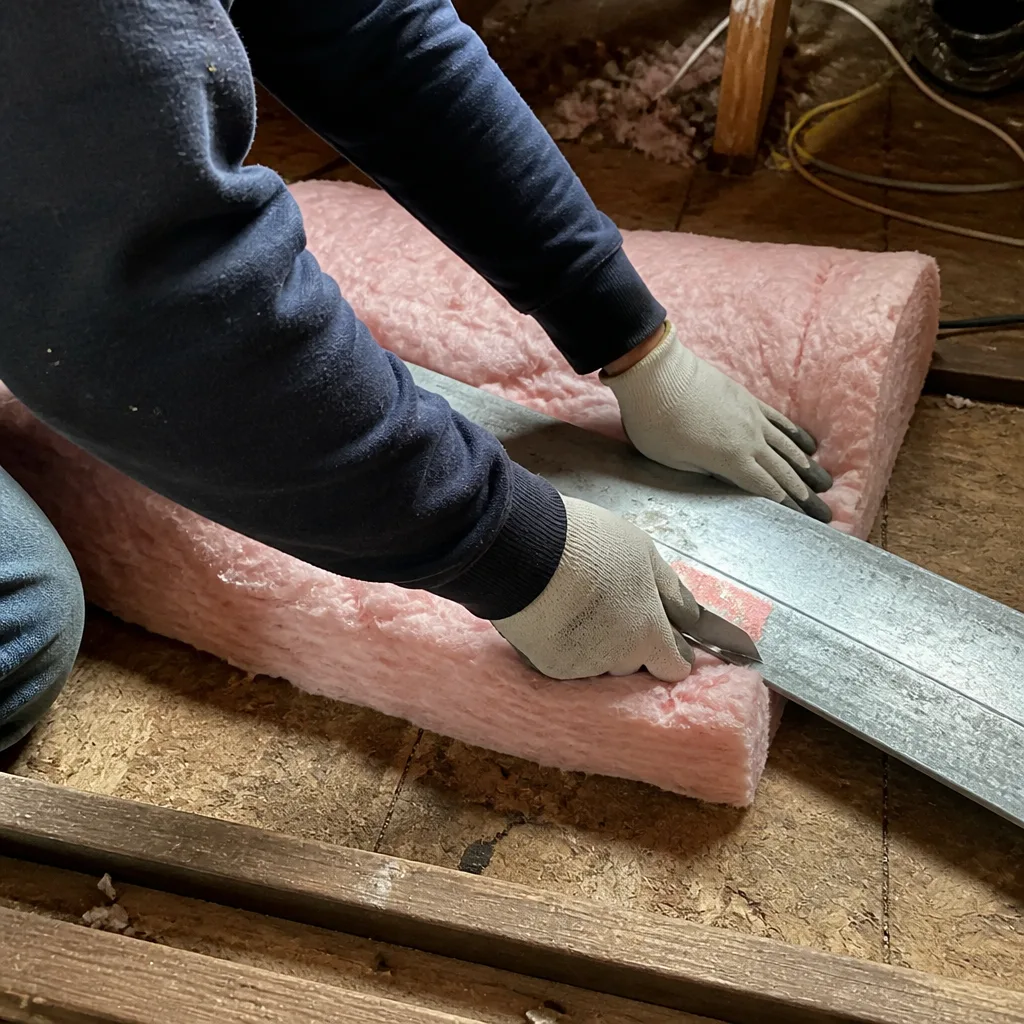
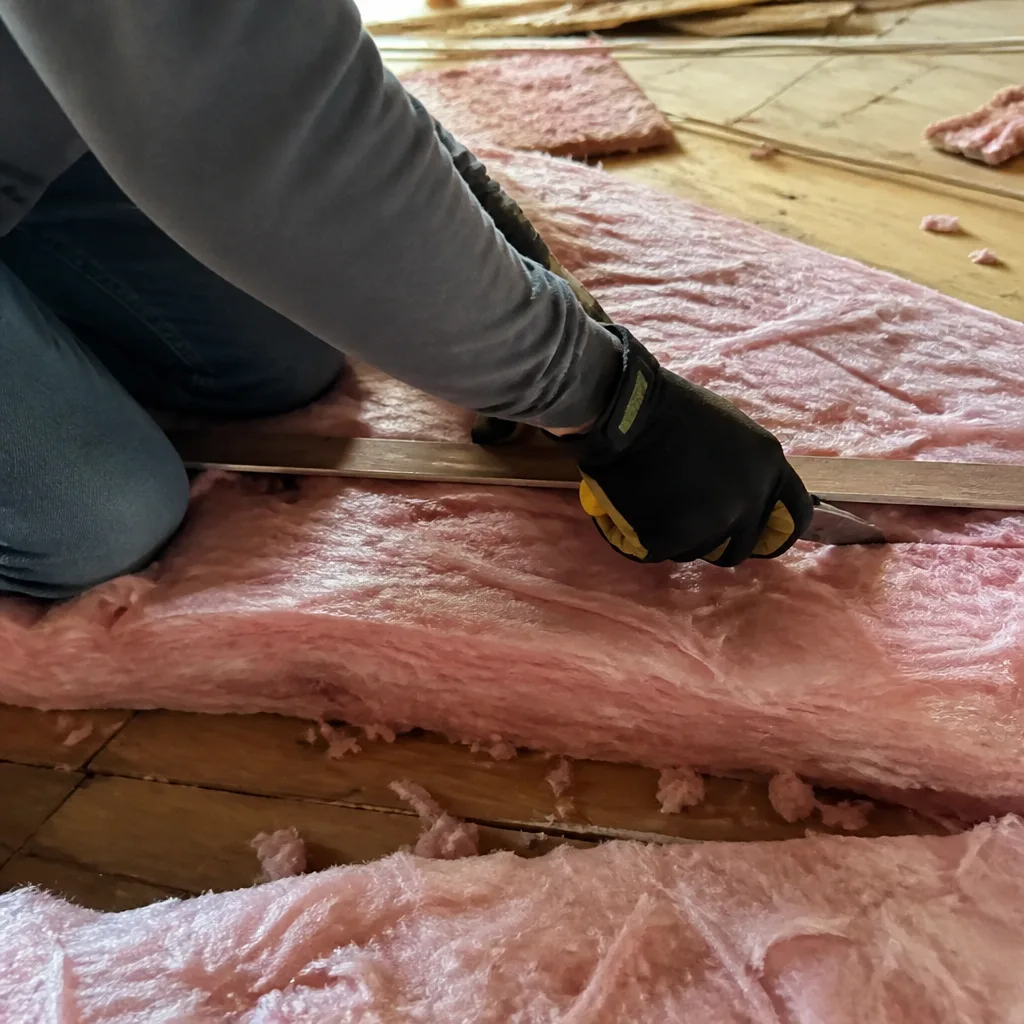
- Insulation installation (2 to 4 hours). Blowing loose-fill to the target R-value, or installing batts, over a now-sealed attic floor.
- Post-job blower-door test (1 to 2 hours). The same test as step 1, run again. The difference between the two readings is the air-sealing result, in a single number.
- Cleanup and documentation (30 to 60 minutes). Depth measurements, photo record, written summary handed to you before the crew leaves.
Add those up and you land at 8 to 12 hours for a job that includes air sealing done properly. Compare that to a quote for “half a day” and you can see the arithmetic doesn’t work. For a fuller picture of what the installation phase covers on its own, our Attic Insulation in Las Vegas page walks through R-value targets and material options for this climate.
Why the Blower-Door Test Bookends the Job
The blower-door test is a pressurization measurement that shows, in one number, how much conditioned air your home was losing before the work and how much it’s losing after. It’s the only way to know whether the air sealing actually worked, and it’s the reason the test has to happen twice – once before any material goes in, once after everything is done.
Here’s why that matters for the timeline: a blower-door test isn’t a quick check. You’re setting up a fan in a door frame, calibrating it, closing off openings, and letting the pressure stabilize before you take the reading. Two tests at 1 to 2 hours each add two to four hours to the day before you’ve touched a bag of insulation. If a contractor’s schedule doesn’t include that time, they’re either skipping the test or flying through it.
In our experience across Las Vegas homes, the before-and-after readings are often the most useful thing the homeowner walks away with. A house that reads 4,200 CFM50 before sealing and 2,100 after has cut its air leakage in half – a number you can point to at resale, and a number that explains why the second story finally stays cool in July. Every applicable job we complete includes those readings in writing. A quote that can’t tell you what your CFM50 baseline is has no way to show you what changed.
Air Sealing: The Hours Nobody Quotes
Air sealing is the part of the job that eats the schedule, and it’s the part most likely to get trimmed. We seal first, then insulate – in that order, always. Blowing insulation over an unsealed attic floor is like putting a lid on a pot with a hole in the bottom; the material is there, but the air keeps moving.
The 3-to-8-hour range comes down to penetration count. A simple 1960s ranch with a few can lights and a short run of top plate might come in near the low end. A 2018 build in the southwest valley with a dozen recessed lights, a furnace flue, a plumbing chase, and several wiring penetrations will sit at the high end. A home with knob-and-tube wiring still in service needs to be handled carefully – that’s a coordination issue with an electrician, not a fifteen-minute seal job.
What actually gets sealed:
- Top plates along every interior and exterior wall
- Recessed can lights (rated IC or boxed out per code)
- Wiring and plumbing penetrations through the ceiling plane
- Chases, flues, and duct boots
- Dropped soffits and any framed cavity open to the attic
When the sealing is done, the blower-door test tells us how much air we stopped. That’s the phase where the money is. For a deeper look at how the envelope work fits together, see our Envelope Insulation Las Vegas home page and our guide to crawl space encapsulation and vapor barrier in Las Vegas if you’re tracking air leaks from below as well as above.
The Insulation Installation Itself
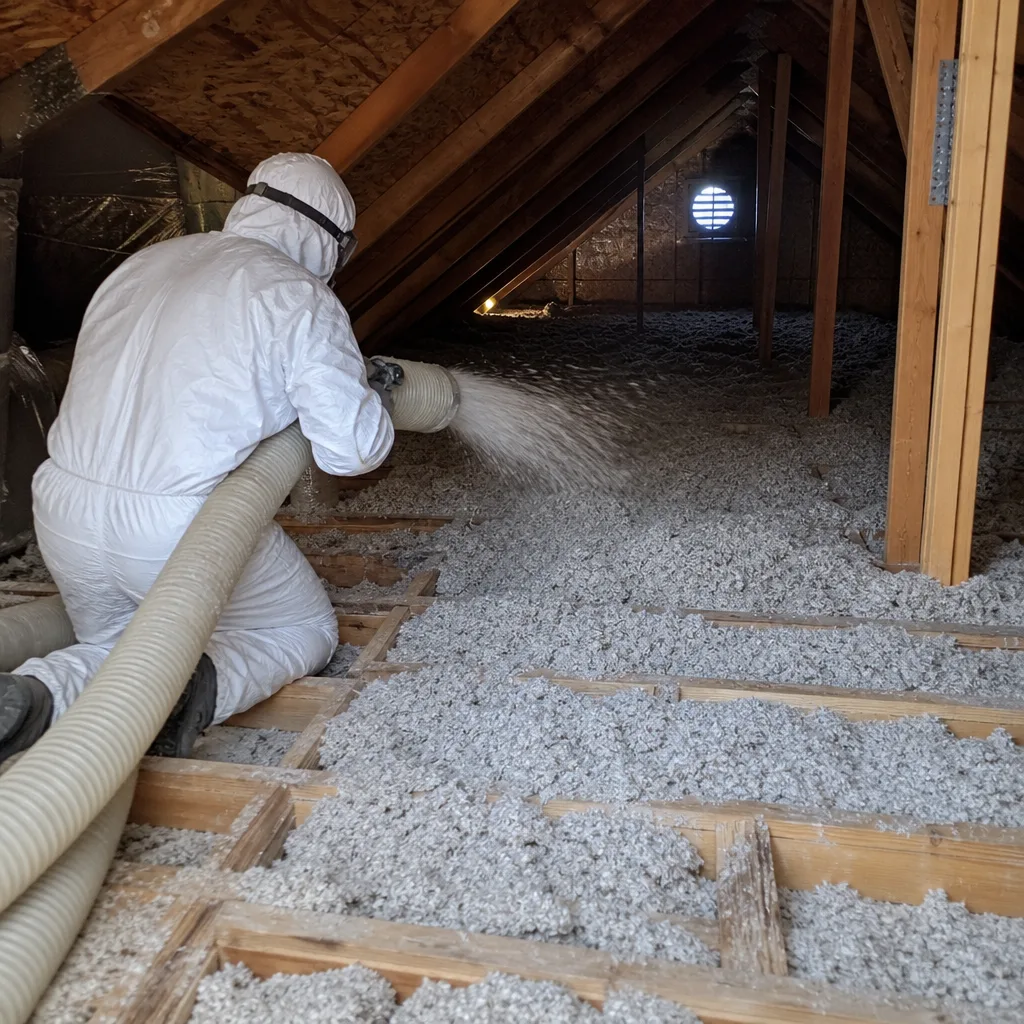
Once the attic floor is sealed, blowing insulation is the shortest phase of the day. For a typical 2,000-square-foot Las Vegas attic, a two-person crew blows loose-fill to R-38 in about three hours. The material is fed through a hose from a truck-mounted blower, and the crew works in passes to hit a uniform depth, checking with a measuring stick as they go.
Depth is the number that matters here, not bag count. R-38 in blown fiberglass lands around 12 to 14 inches of settled depth; R-49 in blown cellulose lands around 13 to 15 inches. The crew should be measuring depth at multiple points across the attic, not eyeballing it. We use Owens Corning, Johns Manville, Knauf, and Rockwool materials depending on the job, and the depth-to-R-value chart for the specific product goes in the written record.
Spray foam and the installation phase
Spray foam changes the timeline because it’s applied differently – sprayed in passes, then trimmed after it cures. A flash-and-batt job over the attic floor might add an hour to the install. A full spray foam job on the roof deck is a different scope entirely, and it’s covered on our Spray Foam Insulation in Las Vegas page because the sequencing rules are different from a blown-in attic.
What Extends the Timeline
Not every job fits the one-day template. These are the variables that push a job into a second day or add hours in ways a good quote should anticipate.
- Attic height under 30 inches. A low-slope attic where the crew can’t stand up slows everything proportionally – sealing and installation both. Some Las Vegas homes have 24-inch clearances over portions of the ceiling plane.
- Existing knob-and-tube wiring. It has to be identified and often de-energized or scheduled around with an electrician. Sealing around live knob-and-tube is a fire risk, not a shortcut.
- Vermiculite or old batt removal. Older insulation that’s contaminated, compressed, or suspected of asbestos (vermiculite) has to come out before new material goes in. Removal is a separate scope with its own time and cost.
- HVAC equipment in the attic. A furnace or air handler parked on the attic floor needs clearance sealed and possibly a platform built. This is common in Las Vegas homes built in the 1990s and 2000s.
- Ductwork in the attic. Leaky ducts in a 130-degree attic attic stage are an air-sealing problem of their own. Sealing them adds time even though the ducts aren’t the primary scope.
- Access and material staging. A tight attic hatch or a long hose run slows the install phase.
In our experience, the variables above add two to six hours to a job, not thirty minutes. A quote that doesn’t ask about your attic’s clearance or wiring hasn’t looked at your attic, which means the timeline in that quote is a guess.
Why “one day” is a scheduling target, not a promise
Good contractors will tell you the timeline at the written-price stage and again after the pre-job blower-door test, when the penetration count is known. That second estimate is the one to trust. If your attic turns out to have more penetrations than the walkthrough suggested, the honest move is to reschedule or add a day, not to blow insulation over an unsealed floor to keep the crew on schedule.
Spray Foam and the 24-Hour Cure Window
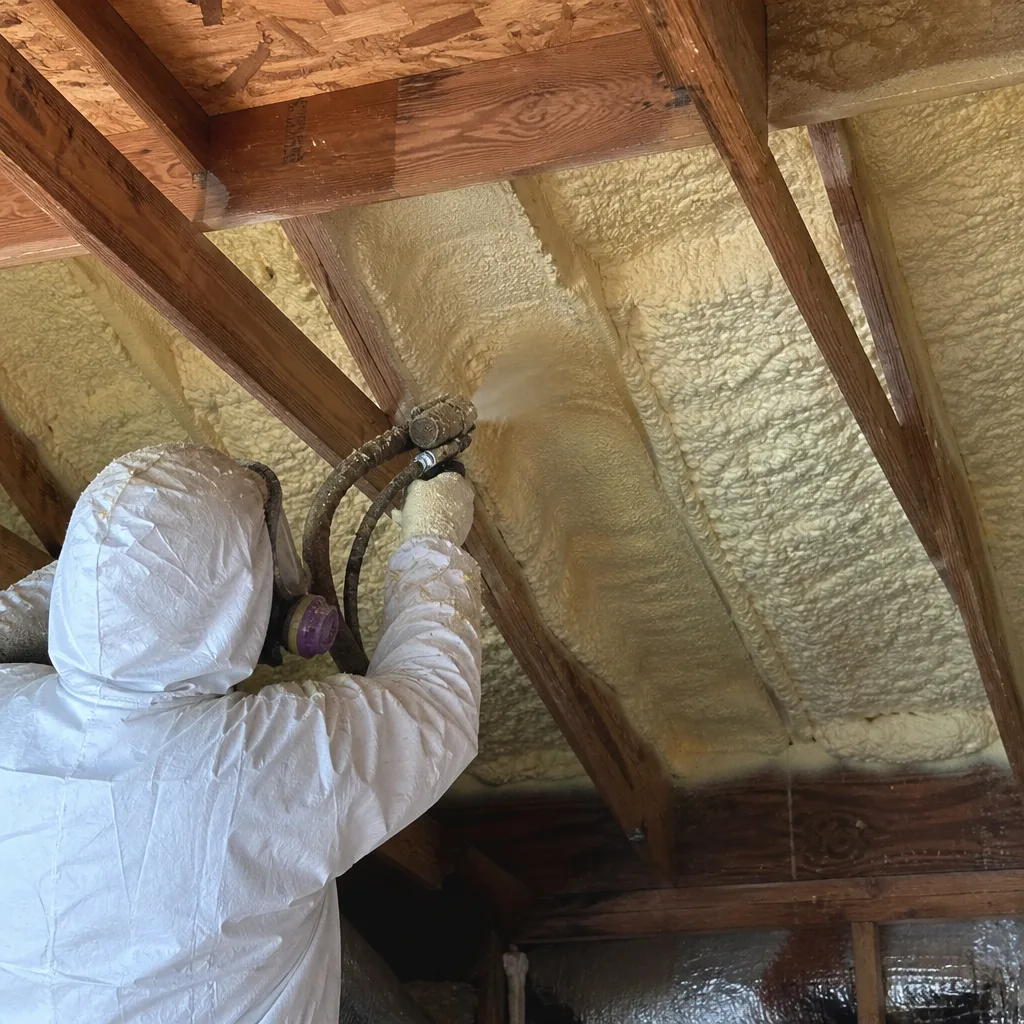
If your insulation scope includes spray foam air sealing – commonly a flash coat of closed-cell foam over the top plates and penetrations before loose-fill goes on top – the day gets longer by one cycle. Closed-cell spray foam requires a 24-hour cure window before insulation can be blown over it or before the attic can be re-tested with the blower door.
Here’s what that means in practice: a job that includes spray foam sealing is a two-day job, but not because the work takes two days. Day one is prep, sealing, cure start. Day two is insulation, post-test, and documentation. The 24 hours in between is a physiological requirement of the material, not a scheduling convenience.
What happens when that window gets skipped? Foam that’s blown over before it cures can be displaced by the insulation install, leaving gaps where the foam was supposed to seal. It can also off-gas into the insulation, and in some cases the moisture from a green foam layer gets trapped against the ceiling plane. The blower-door test at the end will usually catch a skipped cure window – the before-and-after numbers will show less improvement than expected – but by then you’ve paid for the job and the crew is gone.
Ask specifically: does the quote include spray foam, and if so, is the finish day scheduled at least 24 hours after the spray day? Any answer other than “yes” is a scheduling red flag.
The Documentation Handoff at Completion
The job isn’t done when the truck pulls away. It’s done when you have a written record of what happened, what was measured, and what was installed. That record is what protects you at resale, at warranty time, and if you ever need a second opinion on whether the work was done correctly.
Here’s what a written record should include, at minimum:
- Depth measurements taken at multiple points across the attic, with the target R-value and the product name.
- Before-and-after blower-door numbers in CFM50, with the test conditions noted.
- Material specifications – product name, R-value per inch, settled thickness.
- Photo record of the sealed penetrations, the installed depth, and any pre-existing conditions worth documenting (old wiring, prior water damage, HVAC clearance issues).
- Written scope and warranty in the same document, so there’s no question about what was covered.
Haven Standard Clause 1 puts the written price, written scope, and written warranty in your hands before anyone lifts a tool. The photo record and blower-door readings come at the end. A contractor who can’t show you a sample finished-job report during the estimate conversation probably doesn’t produce one. Ask to see one. For a 2015-to-2025 home in Las Vegas that’s heading toward resale in the next five to ten years, that paperwork is part of the value of the job, not an afterthought.
Scheduling Red Flags to Watch For
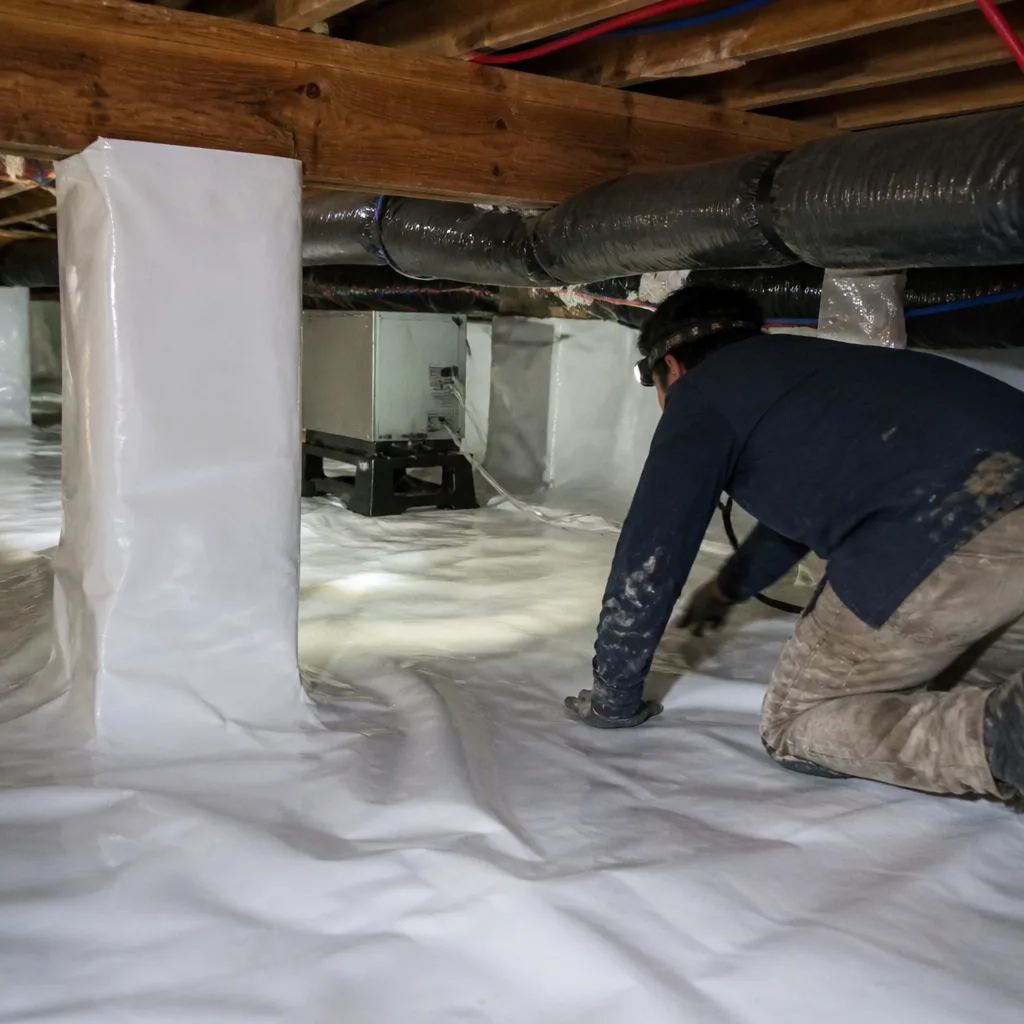
Some timeline claims should make you look closer. These are the ones we hear homeowners bring up most often, and what each one actually means.
- “Half a day, including air sealing.” The numbers don’t add up. Either the air sealing is being skipped or the crew hasn’t looked at your attic.
- “We can start tomorrow” with no walkthrough. A price quoted over the phone without an attic inspection is a guess. Ask what the price is contingent on.
- No blower-door test in the scope. Without a before-and-after reading, there’s no way to know whether the air sealing worked. The test is part of the job, not an upsell.
- No spray foam cure window scheduled. If spray foam is on the scope and the finish day is the same day, ask why. The answer will tell you whether the crew knows how the material works.
- “We blow over what’s there.” Adding insulation over unsealed attic floors or over compressed, contaminated, or vermiculite-containing old insulation is a shortcut. It’s less effective and, in the vermiculite case, potentially hazardous.
- No written documentation offered. A job that ends without depth measurements, CFM50 numbers, and photos ends without proof. That matters at resale time and during the warranty period.
- Pressure to book same-day, with a discount expiring at midnight. Urgency theatre is a red flag on its own. Real scheduling lead times are a function of crew availability, not sales pressure.
Common Mistakes to Avoid
- Skipping the pre-job blower-door test to “save time.” Without the baseline reading, you have no idea what your home’s air loss was and no way to prove the job changed it. The test is 1 to 2 hours that makes the rest of the day accountable.
- Blowing insulation over an unsealed attic floor. This is the most common shortcut in the trade, and it’s the one that matters most. Insulation slows heat, it doesn’t stop air. The air leaks at the top plates do the real damage.
- Letting a contractor skip the spray foam cure window to keep the schedule. A one-day spray-and-blow is a two-day job compressed into one, and the blower-door reading at the end usually shows it. Ask about the cure window before you sign.
- Not asking about low-clearance attics up front. Las Vegas homes with 24-inch clearances over portions of the ceiling plane take longer to seal and insulate. Get the timeline in writing at the estimate, not the morning the crew arrives.
- Overlooking HVAC equipment and knob-and-tube in older homes. Both extend the job and change the scope. In our experience, a 1960s home near downtown Las Vegas often needs an electrician on site before the insulation crew can finish.
- Accepting “we’ll send a summary later” instead of a written record at job completion. The documentation handoff is part of the job. Get the depth measurements, the CFM50 numbers, and the photos before the crew leaves.
- Comparing quotes on time rather than on scope. A one-day quote and a two-day quote aren’t the same job, even when the line item says “attic insulation.” Compare what’s sealed, what’s tested, and what’s documented – not just how fast someone says it’ll be.
When to Call a Professional
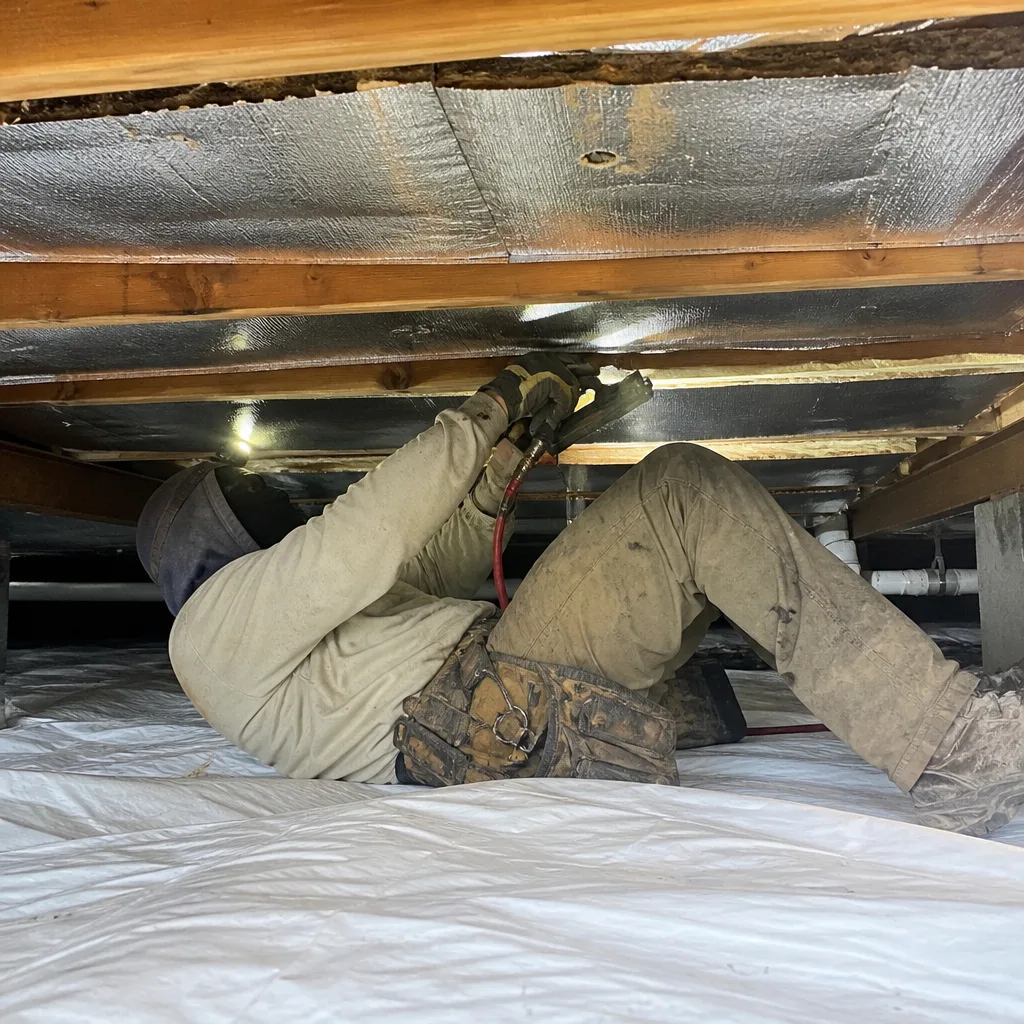
Some attic work isn’t a weekend project, and some of it isn’t a DIY project at all. If your attic has spray foam on the scope, live knob-and-tube wiring, HVAC equipment on the attic floor, suspected vermiculite, or an active rodent problem in the insulation, get a professional in to scope it before anything else happens. If your electric bill has climbed over the last two summers and the upstairs bedrooms won’t hold temperature in July, a blower-door test is the fastest way to find out why – and the honest answer is that a proper test requires equipment most homeowners don’t have. If you have a written estimate from another contractor and you want a second read on whether the timeline and scope add up, that’s a free service here. Envelope Insulation Las Vegas offers free estimates in Las Vegas – call (833) 362-4859. Our technicians have up to 10 years of experience, and every job starts with a written price and ends with a documented record.
Frequently Asked Questions
About one full working day – 8 to 10 hours on site. The insulation itself is 2 to 4 hours; the rest is the pre-job blower-door test, air sealing, the post-job test, and cleanup. Homes with low-clearance attics, old insulation to remove, or spray foam on the scope can run into a second day. Call (833) 362-4859 for a scoped timeline based on your specific attic.
Yes, if the job doesn’t include spray foam or old insulation removal. A blown-in job with air sealing over a cleared, accessible attic floor fits in one working day. Spray foam air sealing adds a 24-hour cure window that pushes the job into a second day, no matter how fast the crew is.
Yes, if you want to know whether the air sealing worked. Two readings – one before, one after – show your home’s air leakage change in a single number. Las Vegas homes built between 2015 and 2025 in areas like Summerlin and the southwest valley are typically leaky at the top plates despite their age; the test is how you find out how much.
24 hours for closed-cell foam. Skipping that window can cause the insulation to displace foam before it cures, leaving gaps where the seal should be. The blower-door test at the end will usually show the skipped cure as a smaller improvement than expected. Ask specifically about the cure window before signing.
Attic geometry, wiring, HVAC equipment, and whether spray foam or old insulation removal is on the scope. A simple 1990s ranch might fit in one day; a 1960s home near downtown with knob-and-tube or a 2000s build with an air handler in the attic often needs two. The honest quote asks about these before naming a timeline.
Depth measurements, before-and-after CFM50 numbers, material specifications, a photo record of the sealed penetrations and installed depth, and the written warranty – in one document. That paperwork is what proves the work at resale time. Call (833) 362-4859 to see a sample report from a recent Las Vegas job.
The Bottom Line
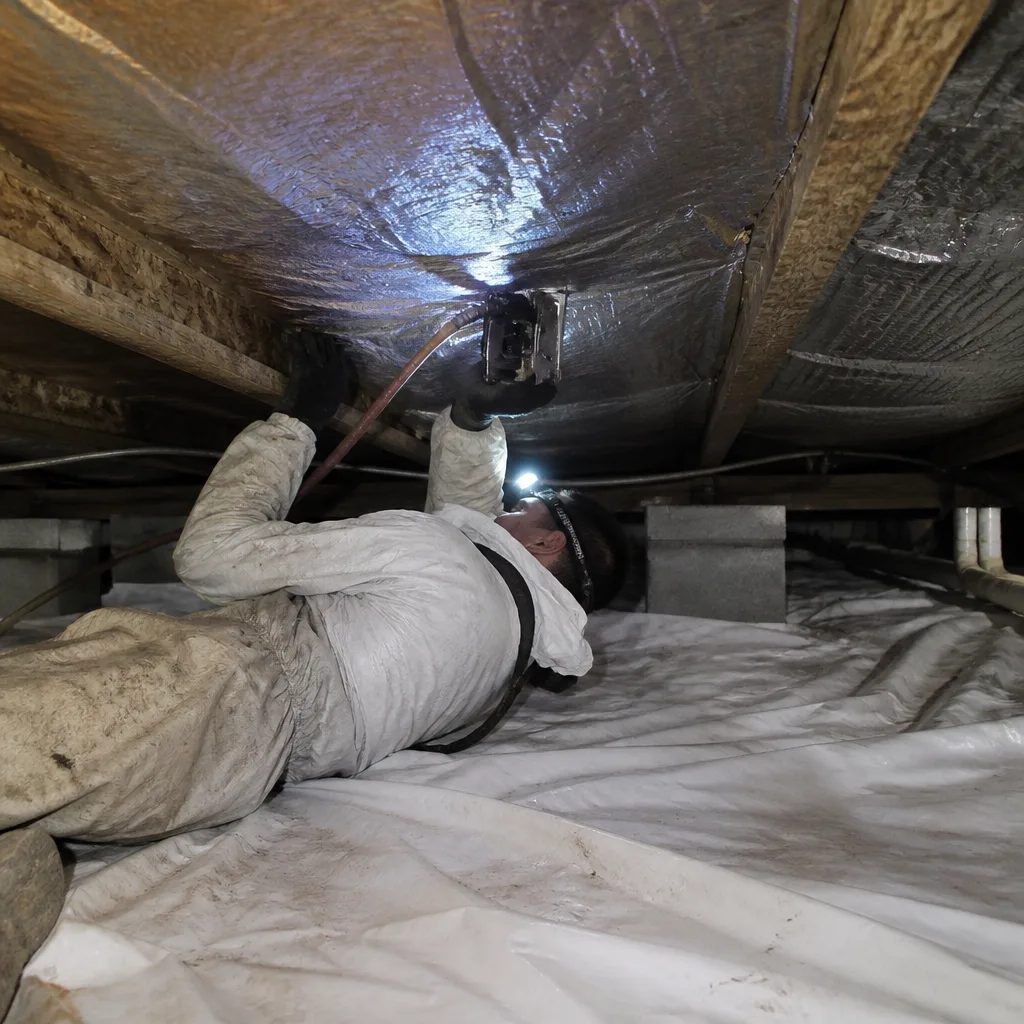
The insulation is the fast part. Any crew can blow a 2,000-square-foot attic to R-38 in three hours. The full day comes from what has to happen around that – a blower-door test to establish the baseline, 3 to 8 hours of air sealing at the top plates and penetrations, a second test to prove the result, and a written record at the end. When a quote compresses those phases into half a day, the scope is smaller than the job you need. Ask about clearance, wiring, spray foam cure windows, and what documentation you’ll receive. Those four questions tell you more about the contractor than any timeline they name. If you’d like a scoped estimate for your Las Vegas attic – with a written price before any work starts and before-and-after blower-door numbers at the end – call (833) 362-4859.
Written by the team at Envelope Insulation Las Vegas.