
Last updated November 17, 2026
DIY vs Professional Attic Insulation: What’s Safe to Do Yourself
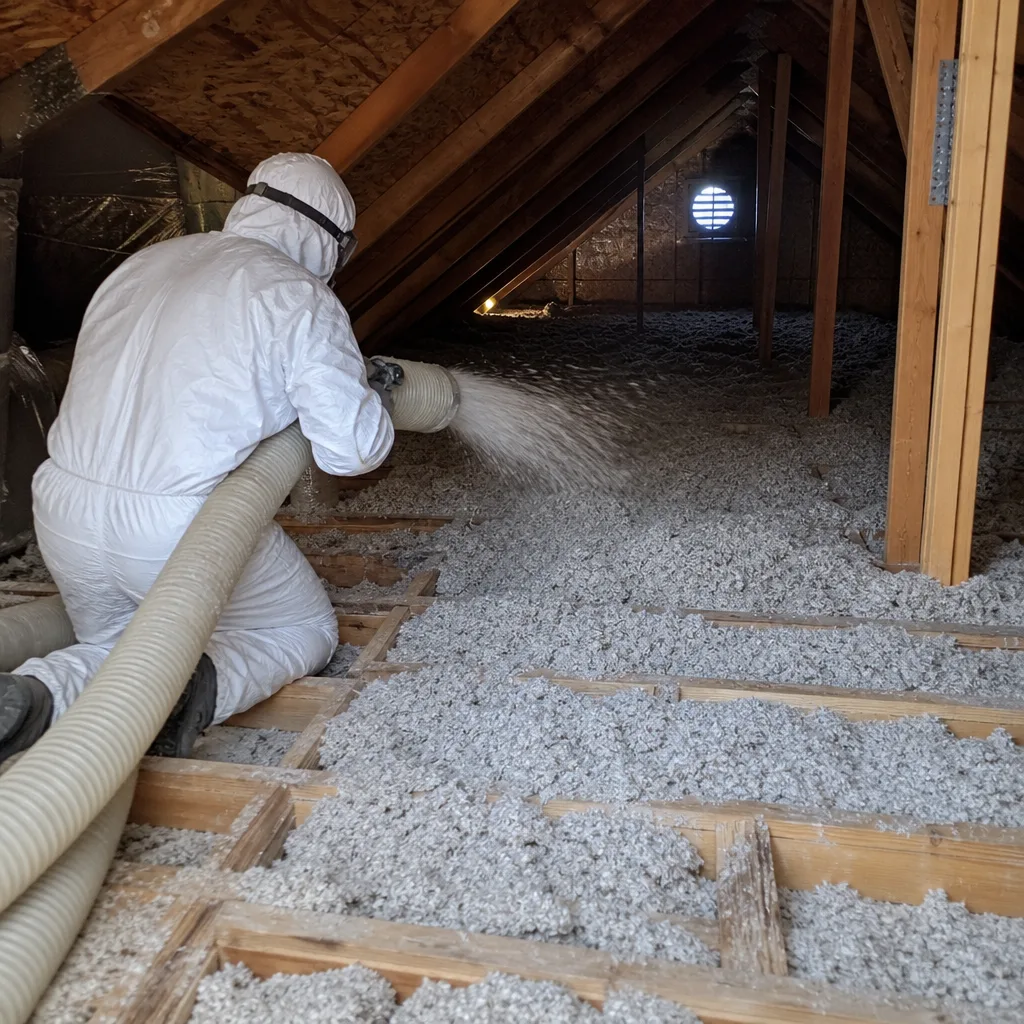
Renting a blower from a big-box store and adding loose-fill depth over insulation that’s already been air-sealed is a weekend project a careful homeowner can genuinely pull off. Sealing around a recessed light that isn’t rated for insulation contact is a different job entirely. Done wrong, it traps heat against a fixture in a way that NFPA 70, the National Electrical Code, treats as a fire hazard. Those two tasks live in the same attic but carry wildly different risk. This guide separates what you can safely handle from what should go to a licensed professional, with the specific code, safety, and cost details that change the math in Las Vegas.
Quick Answer
Adding blown-in depth over existing, already-sealed insulation is reasonable DIY work. Air sealing around electrical penetrations, recessed lights, wiring, and vermiculite is not, because it carries fire and asbestos risk that requires an electrician or licensed contractor. Most homeowners are better off hiring a pro for the full seal-then-insulate job, which a blower-door test can verify in a single number.
Table of Contents
- The Two Jobs Hiding Inside “Attic Insulation”
- What’s Actually Safe to Do Yourself
- What Requires a Licensed Contractor or Electrician
- The Blower Rental Math: Does DIY Actually Save Money?
- Why Depth-Only Additions Trap Existing Problems
- What Las Vegas Climate Does to the Calculation
- What to Ask a Contractor to Prove
- Common Mistakes to Avoid
- When to Call a Professional
The Two Jobs Hiding Inside “Attic Insulation”
When people say “insulating the attic,” they’re usually describing two separate tasks that get bundled into one phrase. The first is air sealing: closing the gaps where conditioned air escapes through the attic floor, around top plates, can lights, plumbing penetrations, and wire holes. The second is adding insulation: putting material down to slow heat transfer. These are not the same operation and they don’t carry the same risk.
Air sealing is where the danger lives. It means working within inches of electrical boxes and fixtures, sometimes with expanding foam or caulk, in a space with limited headroom and no easy exit. Insulation itself, once the sealing is done, is mostly a matter of managing depth evenly and keeping the material out of the soffit vents so the attic can still breathe.
In our experience across Las Vegas homes, the single biggest reason a DIY job underperforms is that the homeowner installed more material over an envelope that was never sealed. The depth looks right when you’re done. The blower door, a pressurization test that measures in one figure how much air your home is losing, still reads sky-high. That gap between how it looks and how it performs is the whole story.
We work under Envelope Insulation’s Las Vegas home base with a rule that shapes every job: sealed first, then insulated, in that order. We won’t blow insulation over an unsealed attic floor. That order matters more than the R-value printed on the bag.
What’s Actually Safe to Do Yourself
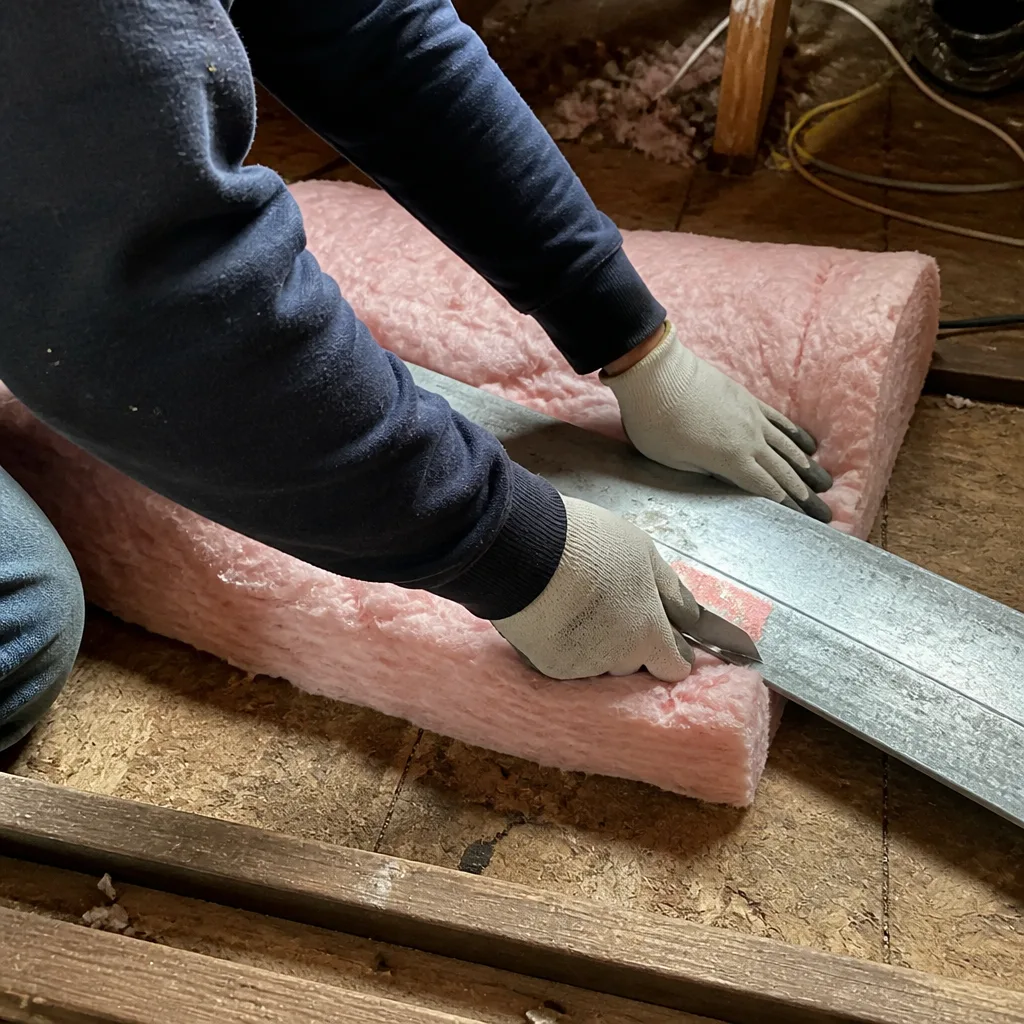
Certain scoped tasks are genuinely within reach for a careful homeowner who reads up first, buys the right safety gear, and knows when to stop. Here’s the short list:
- Adding blown-in depth over material that’s already been air-sealed. If a previous owner or contractor already sealed the penetrations, topping off loose-fill to reach a higher R-value is mostly a logistics problem, not a safety one.
- Installing batts in a knee wall or short vertical run with no electrical penetrations. Friction-fit batts in a knee wall cavity with no wires, no boxes, and no fixtures are a clean, low-risk DIY task.
- Measuring existing depth and documenting it. A ruler, a notepad, and a flashlight. This is the most valuable thing a homeowner can do before calling anyone.
- Air-sealing accessible top plates from the attic side where no wiring is nearby. Only where you can see clearly that no wire, box, or fixture is within the work zone.
The common thread: everything on that list involves either adding material where the safety work was already done, or a cavity with no electrical component. The moment a wire, box, or light fixture enters the picture, the task moves to the list below.
What Requires a Licensed Contractor or Electrician
This is where the DIY question gets answered, and the answer is specific. The risk isn’t whether you can physically move insulation. It’s whether the part of the job you’re touching has a code dimension that changes what “done wrong” means.
- Sealing around non-IC-rated recessed fixtures. “IC” means insulation contact rated. A non-IC fixture designed for open air will overheat if you bury it in insulation or spray foam against it. NFPA 70, the NEC that governs this, exists because fixtures have started fires this way. Either the fixture gets replaced with an IC-rated unit or it gets a physical barrier maintaining clearance. That’s electrician territory.
- Working near knob-and-tube wiring. Older Las Vegas homes, especially in neighborhoods that grew up before the 1960s, still have it hiding under existing insulation. Knob-and-tube was never designed to be buried. Covering it traps heat, and the insulation itself degrades. An electrician should assess it before anyone touches the attic.
- Encapsulating vermiculite. Vermiculite insulation installed before 1990 may contain asbestos. Disturbing it releases fibers. This is not a task to attempt, and it’s not a task to cover up. It requires testing and, if positive, professional abatement before anything else happens.
- Spray foam of any kind. Two-part spray foam requires correct ratio, temperature, and PPE. This belongs to trained applicators. Our spray foam insulation service in Las Vegas exists because the chemistry rewards precision and punishes shortcuts.
If you take one thing from this section: the fire-code dimension around electrical is what makes air sealing a professional task, not the physical effort of it.
The Blower Rental Math: Does DIY Actually Save Money?
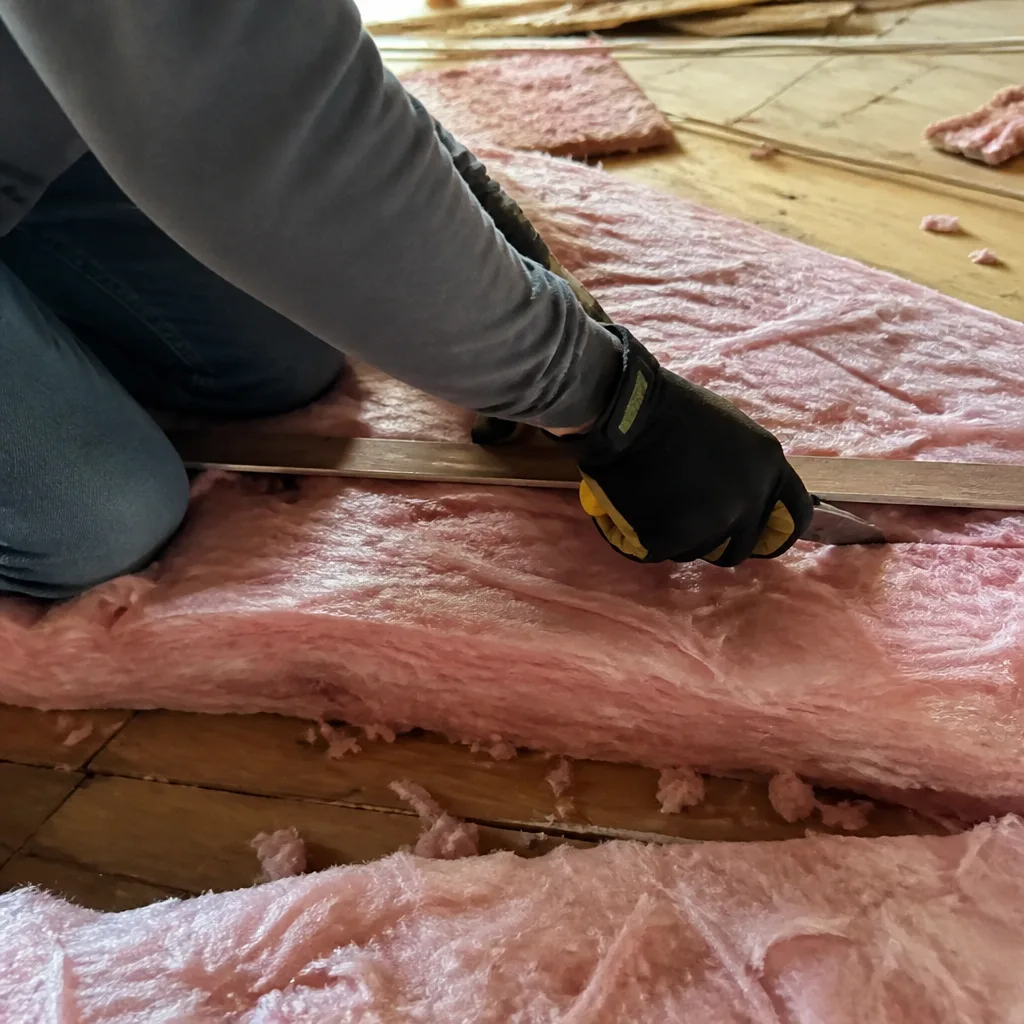
Every big-box store in Las Vegas rents blower machines, and the pitch is appealing. Here’s what the numbers actually look like when you add up the full cost, not just the bag price.
| Line Item | Typical Cost |
|---|---|
| Blower machine rental (per day) | $75 – $150 |
| Loose-fill insulation (per bag) | $35 – $55 |
| Bags needed for a 1,200 sq ft attic to reach R-49 | 18 – 26 bags |
| Air-sealing materials (foam, caulk, tape, baffles) | $80 – $200 |
| Respirator, coveralls, knee pads, goggles | $60 – $120 |
| Your weekend hours | 8 – 16 |
| Total DIY material + rental | $850 – $1,700 |
A professional attic insulation job on the same 1,200 square foot attic, including air sealing, typically runs $1,800 – $3,500 in Las Vegas depending on how much penetration sealing is needed and how much existing material is present. The gap between DIY and pro is real but narrower than most people expect, and the professional version includes the air sealing, the depth verification, and the blower-door reading that tells you whether the work actually performed.
Run the math honestly: if your DIY job saves $800 but leaves the envelope leaking, you’ve spent a weekend and still need to pay for the sealing. In our experience the homeowner who does the depth-only addition and then calls us to seal and re-test ends up spending more than if they’d started with a full job.
Why Depth-Only Additions Trap Existing Problems
Adding insulation on top of an unsealed, under-prepared attic doesn’t fix the problems underneath. It hides them. Here’s what gets buried and what it costs to fix later.
- Moisture. Warm, moist interior air escapes through unsealed penetrations into the attic. Add a layer of insulation on top and that moisture condenses against the cooler upper surface or the roof deck. What looked like a cheap fix becomes a diagnosis of sheathing rot or mold remediation months later.
- Pests. Rodent runs, droppings, and entry points are common in Las Vegas attics. Covering them with fresh insulation makes the problem invisible. The rodents keep using the same runs. The proof, and the cleanup needed, only surfaces when something fails.
- Inadequate existing air sealing. The old material may be sitting over gaps nobody ever sealed. Topping it off doesn’t touch them. The home keeps losing the same air it was losing before, just now with more material between the leak and the attic.
- Buried electrical. A depth-only addition can bury a junction box that was never actually buried before, pushing it out of code compliance. When an electrician needs to find that box later, the new insulation comes out first.
This is the case for doing the sealing work first even if you’re determined to DIY the insulation. If you can’t do the sealing correctly, don’t cover what needs to be sealed. That’s why our attic insulation work in Las Vegas treats the seal as the prerequisite, not the upsell.
What Las Vegas Climate Does to the Calculation
Las Vegas attics hit 140°F to 160°F in July. That’s not a detail, it’s a design condition. It changes what insulation should do here and raises the stakes on air sealing.
In most of the country, insulation is primarily fighting winter heat loss. In Las Vegas, the dominant load is summer heat gain through the attic. That means attic insulation here needs to reach a higher effective R-value and the air sealing has to be tight, because every unsealed can light is a hole pulling hot attic air straight into the living space. Energy code for this climate zone calls for attic R-values in the R-49 to R-60 range, and that depth has to be even across the full floor, not just where the material landed easily.
Las Vegas also has a specific climate hazard: the temperature differential between attic and conditioned space is extreme enough that duct leaks and envelope gaps create real pressure imbalances. Air sealing plus insulation works together to control that. Insulation alone, installed over leaks, lets the hot air bypass the material. The homeowner pays for thermal resistance and gets a fraction of it.
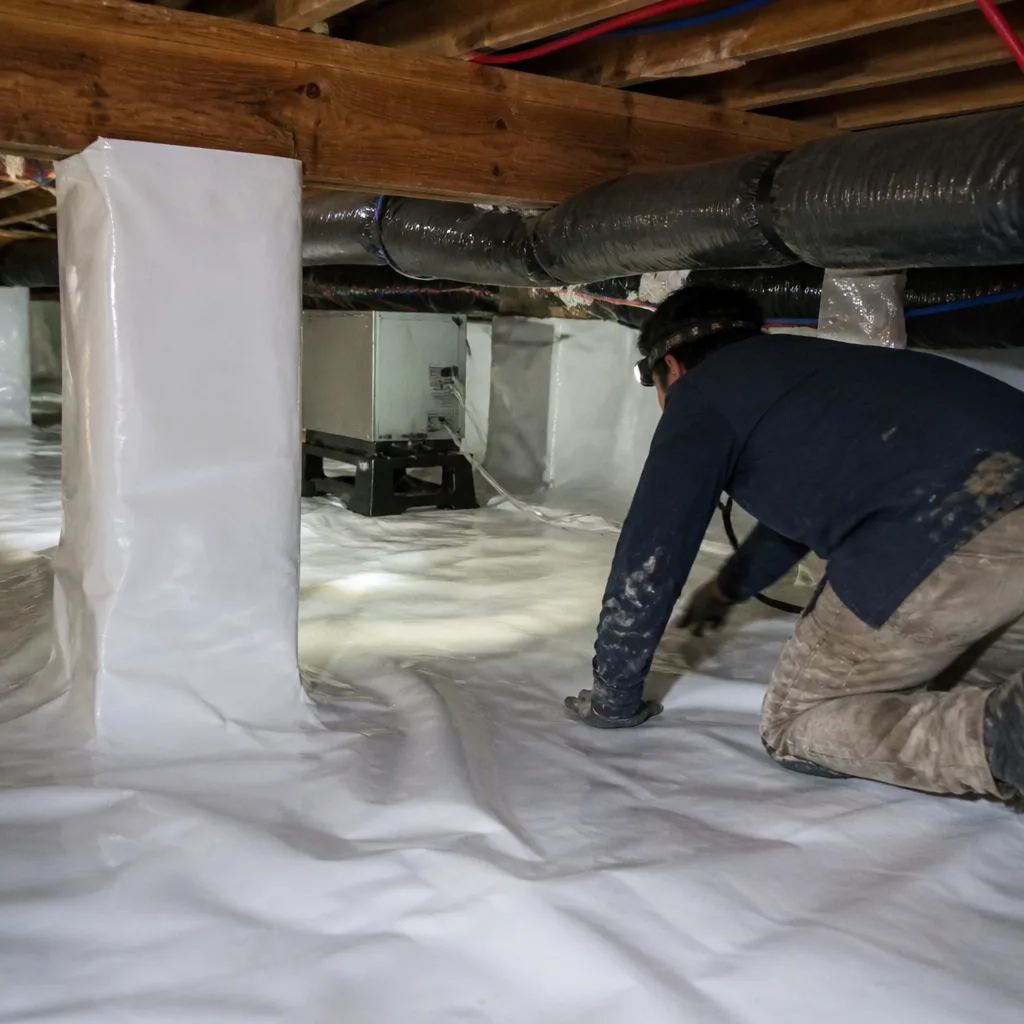
If your crawl space or vapor barrier is also underperforming, attic work alone won’t get you to the full envelope result. That’s what crawl space encapsulation and vapor barrier work in Las Vegas addresses, and it interacts with attic performance through stack effect. A blower-door reading on a Las Vegas home tells you which side is leaking worse.
What to Ask a Contractor to Prove
When you do call a professional, ask for documentation up front. A contractor who can’t produce these three things hasn’t actually finished the job as far as you’re concerned.
- Installed depth photos with a marked ruler. Photos at several points in the attic, with a ruler or a marked measuring stick in frame, showing the finished depth. This documents that R-value was actually delivered, not just billed.
- ACH50 before and after. ACH50 is air changes per hour at 50 pascals of pressure. It’s the test name for the blower-door result. You want a before reading and an after reading on the same home so you can see the actual performance change you paid for. A single number with no baseline tells you nothing.
- A written scope that lists every penetration sealed. Top plates, can lights, plumbing penetrations, wiring holes, the chase. If it’s not in the written scope, it didn’t get sealed, and the depth on top of it is sitting over a leak.
Under our standard, every job begins with a written price and a written scope before anyone lifts a tool, and closes with a documented photo record. The before-and-after blower-door numbers are published, not available on request. That’s part of what the Haven Standard means in practice. If you already have a competing written estimate, we’ll read it with you at no charge and tell you what it does and doesn’t cover.
Common Mistakes to Avoid
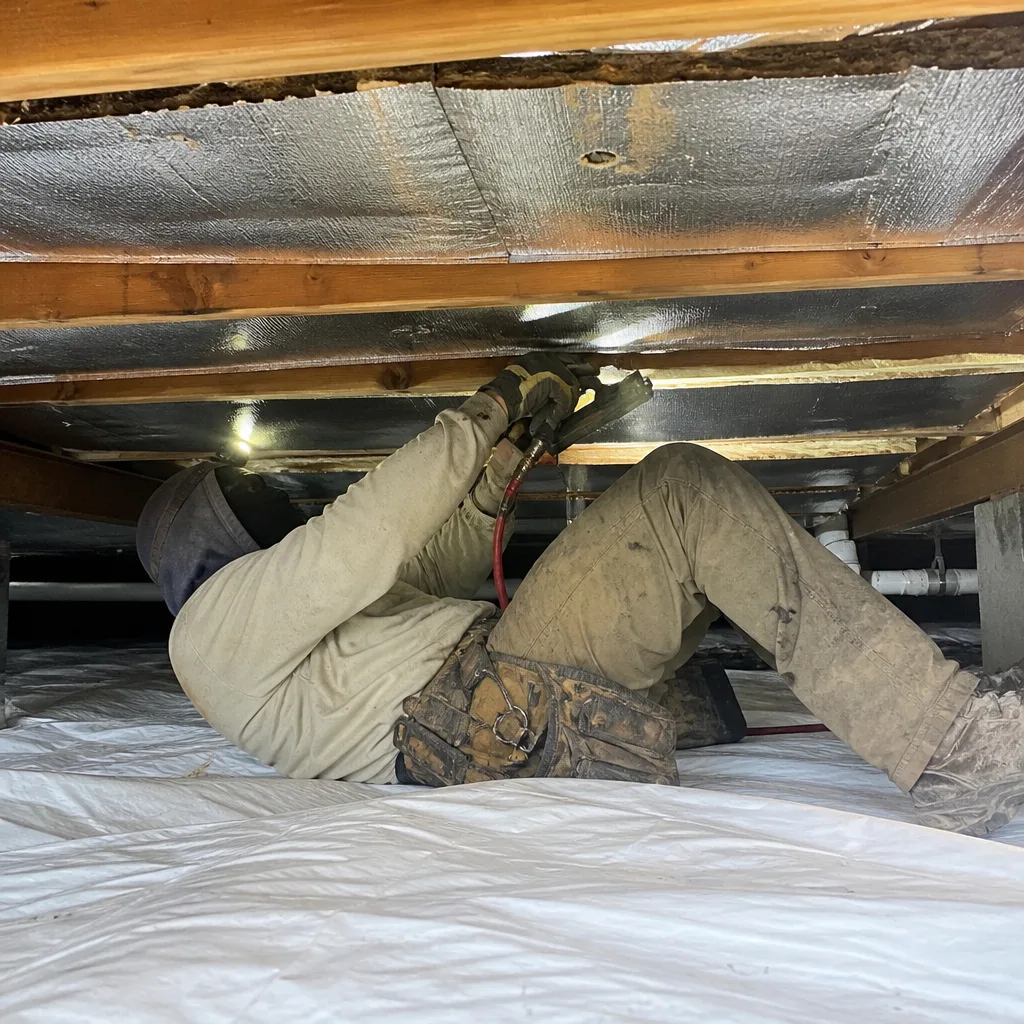
- Burying a non-IC recessed light. The most dangerous DIY mistake in an attic. A fixture rated for open air will overheat under insulation. Replace it with an IC-rated unit or maintain the required clearance. NFPA 70 is not a guideline here; it’s the fire code.
- Adding depth over unsealed penetrations. You pay for material, hide the leaks, and the blower door number doesn’t move. Seal first, then insulate.
- Blocking soffit ventilation. Packing insulation against the eaves chokes off the attic’s intake air. Use baffles. Without airflow the attic traps moisture and the roof deck cooks in a Las Vegas summer.
- Spraying foam against knob-and-tube wiring. Old wiring was never designed to be buried or foamed. Get an electrician to assess it first.
- Disturbing vermiculite without testing. Pre-1990 vermiculite may contain asbestos. Covering it up and forgetting about it is the only worse option than stirring it up.
- Skipping the blower-door test on a DIY job. Without a before-and-after reading, you have no evidence the work changed anything. You have a weekend receipt.
- Hiring on a verbal quote. A written scope and written warranty delivered before work starts is the only version of a quote you can compare or hold anyone to.
When to Call a Professional
Call a professional if any of the following is true in your attic: you have non-IC recessed lights, you have knob-and-tube wiring, you have vermiculite, you can see evidence of pests or moisture staining, or you don’t know what’s under the existing insulation. Those are the scenarios where the seal-before-you-insulate rule carries real safety weight, and where the DIY calculation no longer favors the homeowner. Call us if you want a written scope that names every penetration before anyone starts. In Las Vegas, Envelope Insulation offers free estimates – call (833) 362-4859. We’ll walk the attic with you, tell you what we found in plain terms, and put the price on paper before you commit to anything.
Frequently Asked Questions
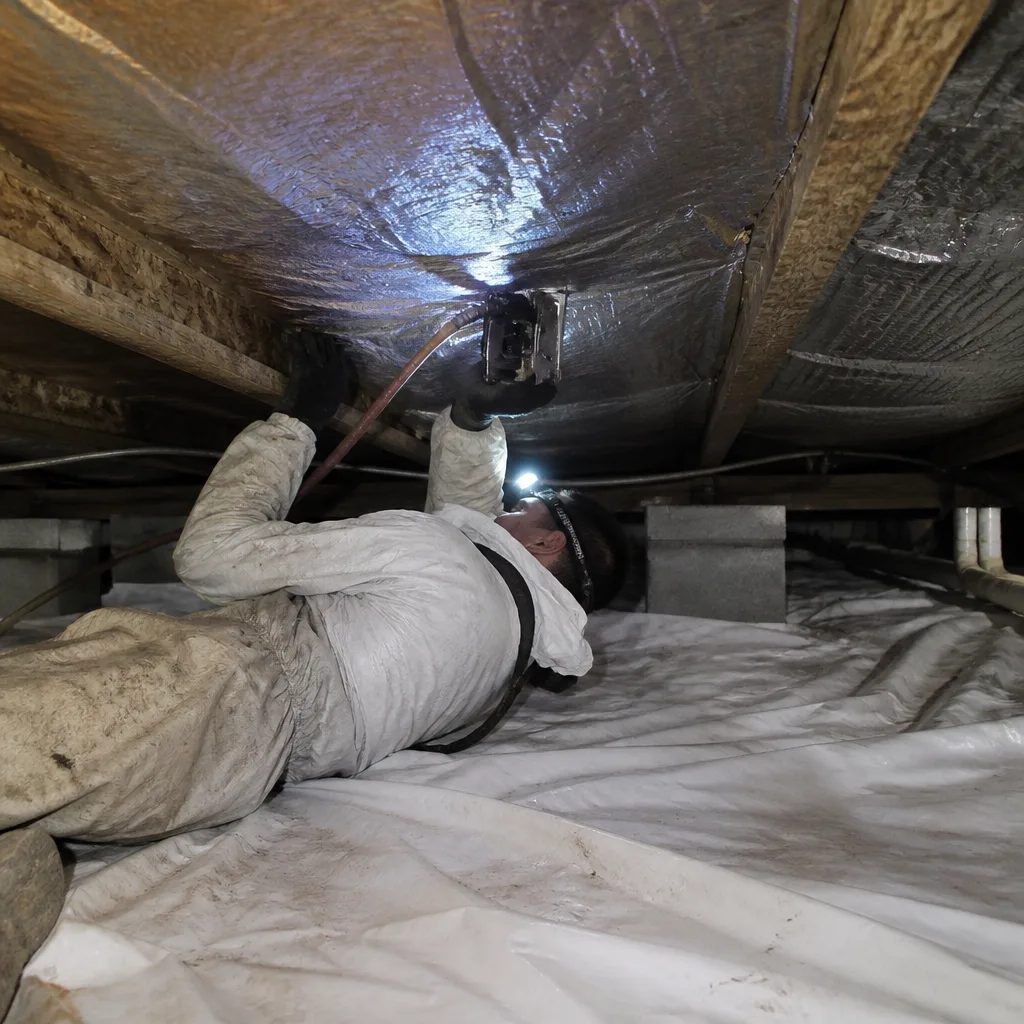
Only when the air sealing is already complete and you’re simply adding depth over material that’s already sealed properly. If you’re sealing penetrations or working near electrical fixtures, a professional job delivers the sealing, the depth verification, and the blower-door reading that shows the performance change. Call (833) 362-4859 for a free estimate.
Insulation additions typically don’t require a separate permit, but any electrical work, fixture replacement, or remediation (asbestos, pest cleanup) does. Rules vary by jurisdiction and by whether the work involves structural or electrical changes. A contractor who does this work regularly in Las Vegas knows exactly which part needs a permit and which doesn’t.
Energy code for our climate zone calls for R-49 to R-60 in the attic. That’s the number to ask for. In our experience most Las Vegas attics we inspect read far below it, often R-19 or less, because the original installation was thin or has compacted over time.
You can, if the old stuff is over a sealed floor and in good condition. You shouldn’t if the existing material is vermiculite, if there’s moisture or pest evidence, or if nobody has verified the penetrations are sealed. Adding over unsealed or contaminated material hides problems and wastes material.
A blower-door test is a pressurization reading that shows, in one number, how much air your home is losing. ACH50 is the result: air changes per hour at 50 pascals. The before-and-after readings on the same home tell you whether the sealing and insulation actually improved performance or just changed how the attic looked.
Most residential jobs in Las Vegas run $1,800 – $3,500 depending on the attic size, how much penetration sealing is needed, and whether existing material has to be removed. DIY material and rental for a similar attic runs $850 – $1,700 before accounting for your time and the risk of doing the sealing wrong. Call (833) 362-4859 for a written price on your specific attic.
The Bottom Line
Adding insulated depth over already-sealed material is safe DIY work. Air sealing around electrical, especially recessed lights that aren’t IC-rated, is a fire code issue that belongs to a licensed contractor or electrician. The math usually favors hiring the full job once you account for the sealing you can’t safely do, the blower-door result that proves the work performed, and the problems that depth-only additions trap under new material. In Las Vegas, the envelope stakes are higher because of the summer heat load. Get a written price, get a written scope, and ask for before-and-after blower-door numbers. Call (833) 362-4859 for a free estimate.
Written by the team at Envelope Insulation Las Vegas.