Last updated November 17, 2026
Insulation Cost Breakdown: The Las Vegas Homeowner’s Reference for 2026
Attic insulation quotes in Las Vegas last year ran from $1.20 to $2.80 per square foot. That is a 133% spread, and it cannot be explained by material cost. Blown fiberglass rated to R-38 costs roughly the same from every supplier in Clark County. What changes between a $1.20 quote and a $2.80 quote is almost always air-sealing labor: whether it was performed, skipped, or quietly folded into a per-square-foot number so you cannot see it. This guide breaks the quote apart into its real components, with 2026 Las Vegas ranges for each line item, so you can tell a complete job from a cosmetic one before you sign anything.
Quick Answer
A correctly scoped attic insulation job in Las Vegas in 2026 typically runs $1,800 to $4,500 for a standard single-story home of 1,200 to 2,200 square feet, all-in. Of that total, air-sealing labor usually accounts for 25% to 40%, material for 30% to 45%, and the blower-door test plus documentation for 5% to 12%. A quote near the bottom of the market usually reflects removed air-sealing labor, not cheaper insulation.
Table of Contents
- What are the actual cost components of an attic insulation job?
- 2026 Las Vegas line-item price ranges
- Why is the cheapest quote usually missing air sealing?
- Blown fiberglass vs. cellulose vs. spray foam: which is correct for your attic?
- What does an ACH50 improvement actually save on NV Energy bills?
- NV Energy Home Energy Rebates: eligibility and documentation
- How to verify a bid in ten minutes
- Common mistakes to avoid
What are the actual cost components of an attic insulation job?
A correct attic job in Las Vegas has four distinct cost components, and a bid that does not separate them is hiding something. The first is air-sealing labor. Second is the insulation material itself, priced by R-value and by the depth in inches required to reach it. Third is the blower-door test, a pressurization reading that shows in a single number how much air the building envelope is losing, expressed in CFM50. Fourth is documentation: the written scope, the photo record, and the before-and-after readings.
The reason this matters in Las Vegas specifically is the desert temperature swing. Attic floor temperatures here routinely hit 140°F in July. When a home leaks air at the top plates and can lights, the stack effect pulls that superheated attic air straight into the return, and your cooling system fights it all afternoon. Sealing first, then insulating, is the only sequence that changes the number. Blown insulation over an unsealed attic floor traps the leak under a blanket, which is why two homes with identical R-values can have wildly different summer bills.
The air-sealing component includes:
- Top plates, where the wall framing meets the attic floor
- Can lights and recessed fixtures, including the housing penetrations
- Duct boots, plumbing chases, and wire penetrations
- The attic hatch or scuttle, which is often the single largest leak
- Knee walls and any dropped soffits that open into the attic
Air sealing is the most labor-intensive part of the job. It is also the highest-value. That combination is exactly why it gets bundled out of sight in a per-square-foot price.
2026 Las Vegas line-item price ranges
Below are market ranges we see on written estimates in Las Vegas in 2026, broken into the line items a properly scoped bid should show. These assume a standard single-family home with an accessible attic and no removal of existing material.
| Line item | Typical range (2026) | Notes |
|---|---|---|
| Attic air sealing (top plates, can lights, duct boots, hatch) | $650 – $1,400 | Labor-dominant; scales with can light and penetration count |
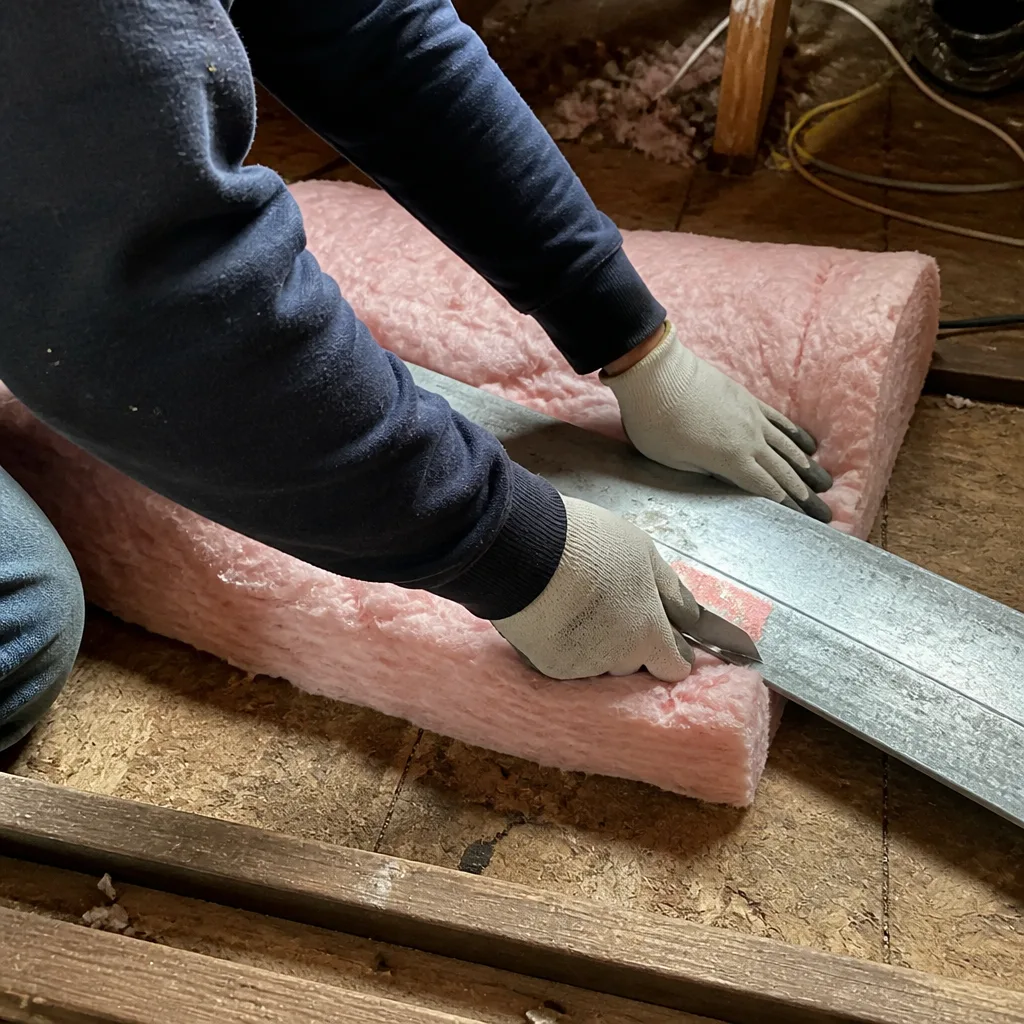
| Blown fiberglass, R-38 to R-49 | $0.85 – $1.35 / sq ft | Depth 12″ to 16″; comes from GreenFiber, Owens Corning, Johns Manville |
| Blown cellulose, R-38 to R-49 | $1.00 – $1.55 / sq ft | Higher density; good in mixed-framing attics |
| Open-cell spray foam at roof deck, R-20 to R-24 | $2.10 – $3.40 / sq ft | Conditions the attic; cited under Icynene or Demilec systems |
| Blower-door test, before and after | $175 – $450 | Often bundled into the job price; ask for the CFM50 readings |
| Documentation and photo record | $0 – $150 | Should be included, not billed as an add-on |
| Insulation removal and disposal (if existing material is contaminated) | $1.10 – $2.00 / sq ft | Common in rodent-affected attics; see attic insulation in Las Vegas |
Add those up for a 1,600 square foot attic at the mid-range and you land around $3,100. The same square footage at $1.20 per square foot lands at $1,920 with no line items shown. That difference is not material substitution. It is air-sealing labor removed from the scope.
Why is the cheapest quote usually missing air sealing?
The cheapest quote is usually cheaper because the air sealing was pulled from the scope and the per-square-foot material price was left in place. This is not always dishonest. Sometimes the contractor genuinely scoped the job as a top-off and never measured the leaks. Sometimes it is a choice made under bid pressure.
Here is how to verify in one conversation. Ask the contractor for a line-itemized bid with a separate line for air-sealing labor, and ask whether a blower-door test is included before and after. If the answer is a single per-square-foot number with no test, you are likely looking at a blow-and-go job. The material goes in. The leaks stay. Your cooling bill does not move.
A complete bid will always answer all four of these:
- Which penetrations are being sealed, and how many can lights or duct boots are in the count?
- What is the target R-value, and what depth in inches does that require?
- Is a blower-door test included before and after, and will we receive the CFM50 readings?
- What does the written warranty cover, and what documentation comes with the job?
If a contractor cannot answer all four in writing, the $1.20 price reflects missing work, not a better deal. Under our Haven Standard, every job starts with a written price and a written scope, and every applicable job ends with before-and-after blower-door numbers published to the homeowner.
Blown fiberglass vs. cellulose vs. spray foam: which is correct for your attic?
Las Vegas attics come in three useful configurations, and each has a correct material. The economic choice depends on duct location, roof line, and whether the attic is vented.
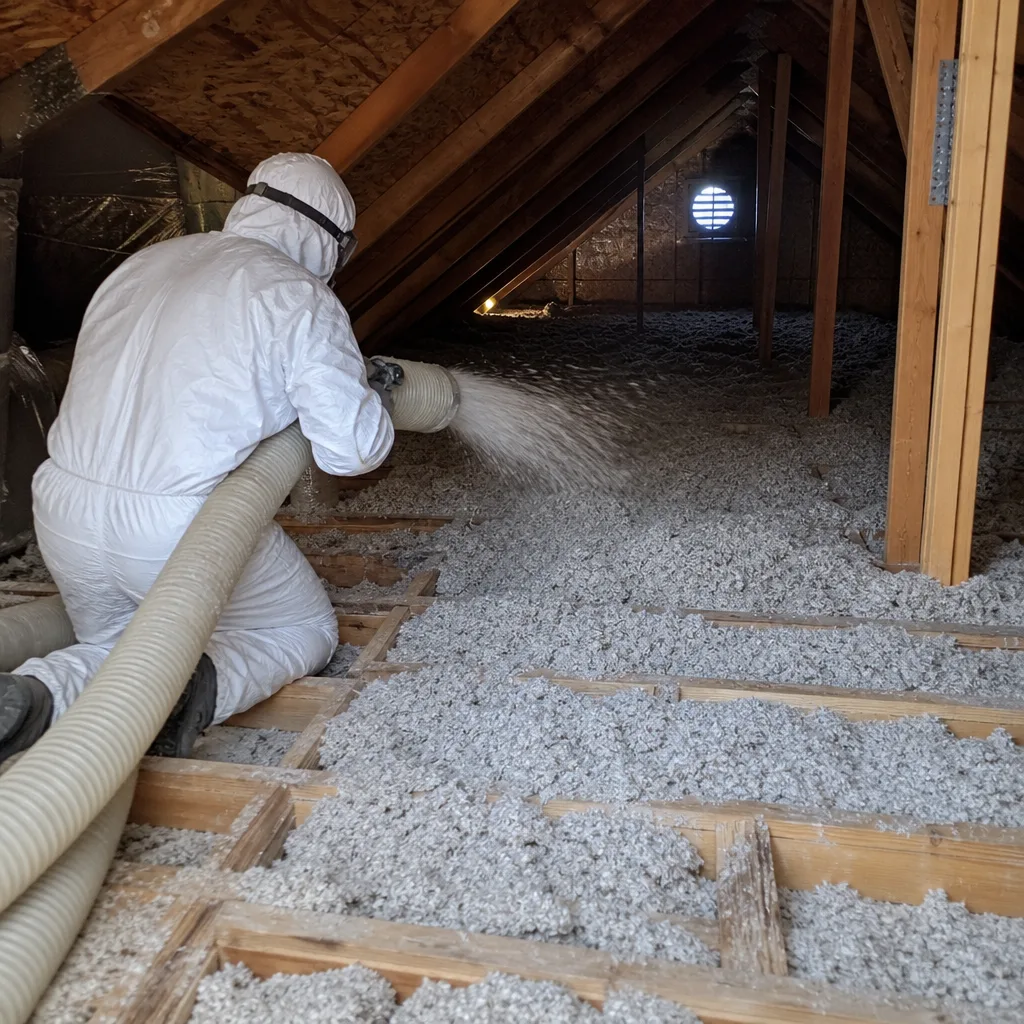
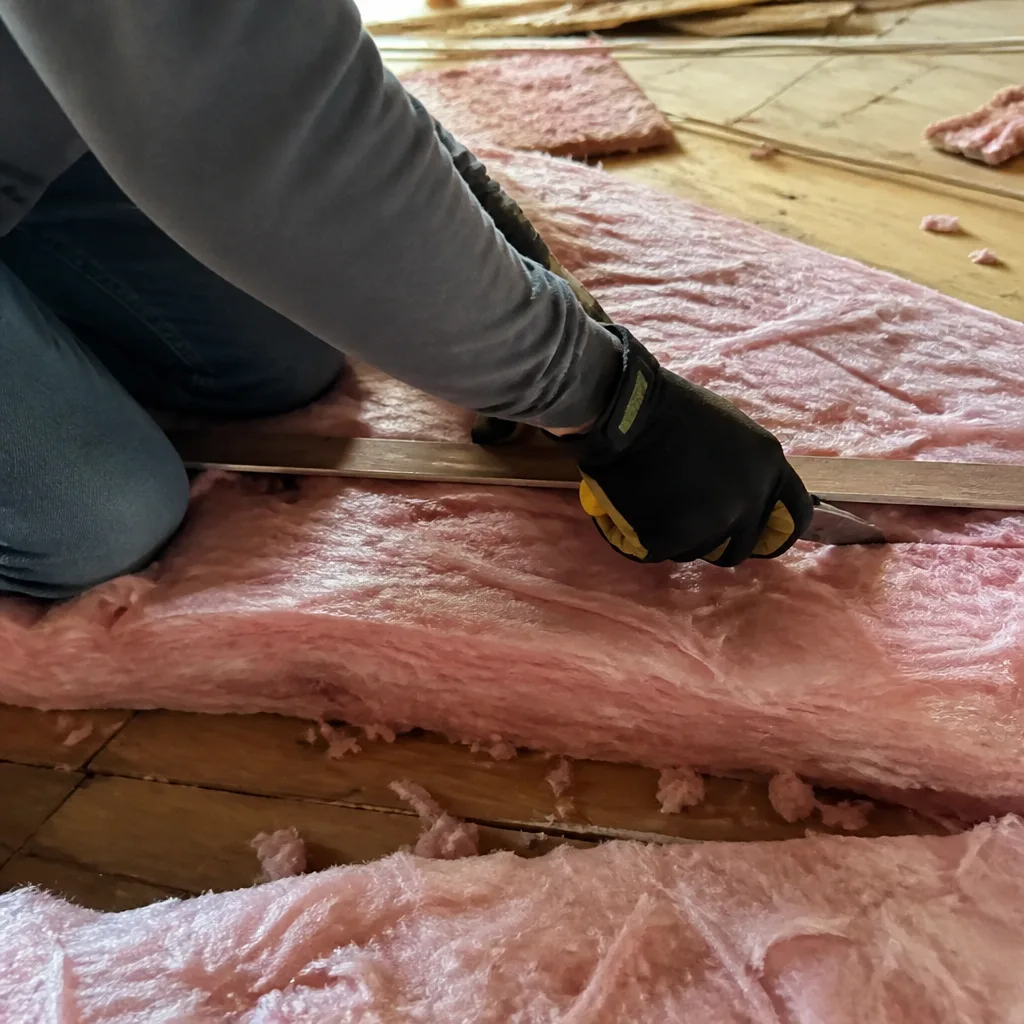
Blown fiberglass is right for a vented attic with ducts in the attic, a standard story, and a target of R-38 to R-49. It is the lowest-cost material for the R-value, sourced through Owens Corning, Johns Manville, or Knauf, and it performs well when the floor is sealed first. The failure mode here is improper depth. Las Vegas attic floors need 12 to 16 inches depending on the target R-value, and a topper that installs 9 inches leaves you below code for the climate zone.
Blown cellulose is right for attics with mixed framing or knee walls where you want higher density and better resistance to settling. It runs roughly 10% to 20% more per square foot than fiberglass. CertainTeed and GreenFiber both make product for this market. Cellulose handles the desert’s fine dust reasonably well when it is blown at proper density, but it is more sensitive to moisture intrusion from a roof leak than fiberglass.
Open-cell spray foam at the roof deck is right when the ducts are in the attic and you want to bring the ductwork inside the conditioned space, or when the home has a low-slope roof and no easy path to ventilate. Icynene and Demilec systems are common in Las Vegas retrofits. This is the highest-cost option per square foot, but it often pays back fastest in homes where the ducts sweat in summer and lose 20% of their cooling before the air ever reaches a register. It is also the only option that fully solves attic duct losses.
For attics with crawl spaces or slab issues underneath, the envelope needs attention too. Our page on crawl space encapsulation and vapor barrier in Las Vegas covers the ground-up side of the same problem.
What does an ACH50 improvement actually save on NV Energy bills?
A documented improvement from 8.0 to 4.5 ACH50 on a 1,800 square foot Las Vegas home typically saves $280 to $520 per year on cooling at current NV Energy tiered rates. That is the honest range. It is based on the reduction in air exchanged per hour, multiplied by the sensible cooling load of the desert air in July and August, multiplied by the tier rate you actually land in.
Here is the calculation, simplified for a homeowner to follow:
- ACH50 is the number of full air exchanges per hour at 50 pascals of pressure. It is measured by a blower-door test.
- Dropping from 8.0 to 4.5 roughly halves the uncontrolled air exchange in the envelope.
- In a Las Vegas summer, that reduction cuts the peak cooling load meaningfully because the outside air is often 25°F to 35°F hotter than the indoor setpoint.
- Multiply the load reduction by roughly 1,000 equivalent full-load cooling hours across the Clark County season.
- Apply your tier rate. Higher tiers save more because the reduced load pushes you down a tier.
The savings show up on the bill in the second and third summer month. The first month is muddied by weather variation. This is why we publish the before-and-after CFM50 readings: so the homeowner can see what they actually bought rather than what a cooling bill happens to show in one noisy month.
The same logic drives the choice between attic work and spray foam at the roof deck. Our page on spray foam insulation in Las Vegas walks through when the roof-deck approach pays back faster than the floor approach.
NV Energy Home Energy Rebates: eligibility and documentation
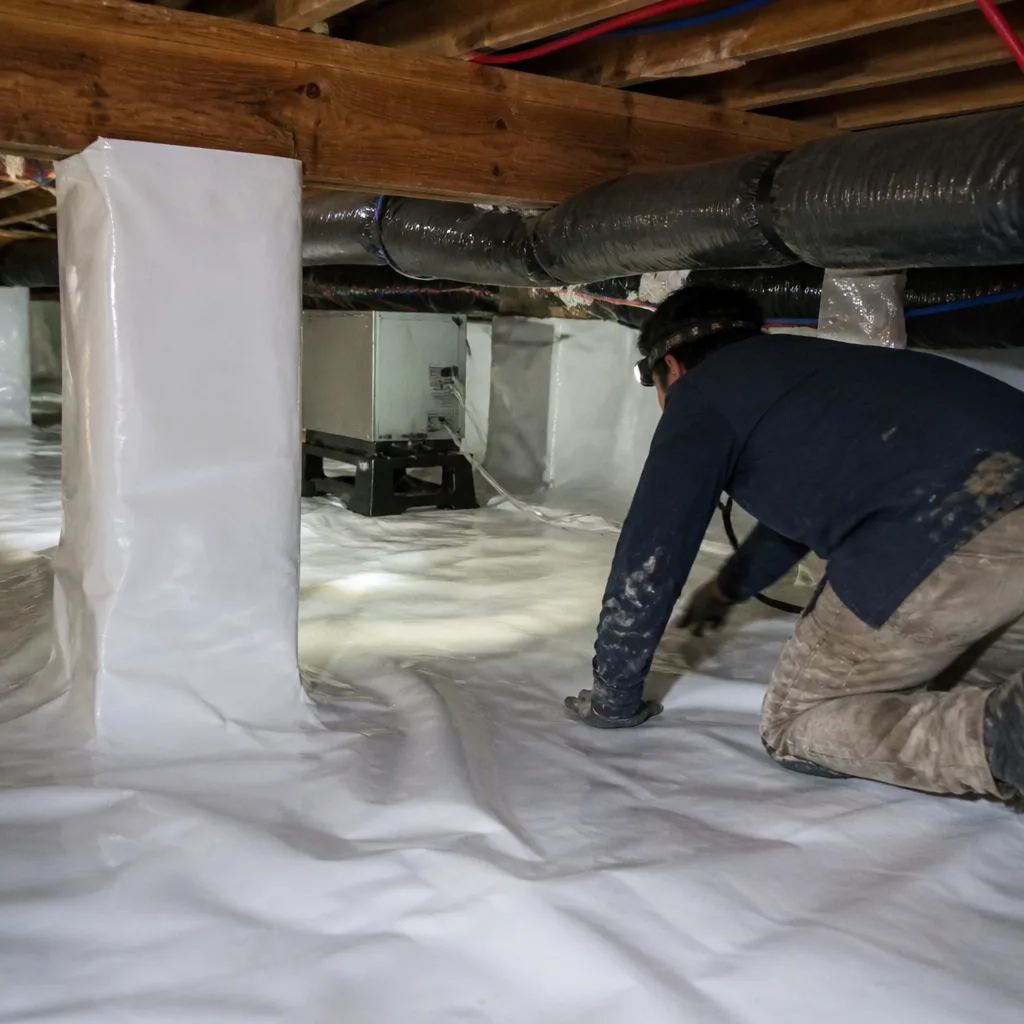
NV Energy’s Home Energy Rebate program offers incentives on qualifying insulation and air-sealing upgrades, and the eligibility hinges on measured improvement, not on a receipt. The program typically requires the work to be installed by a licensed contractor, the improvement to be documented with before-and-after performance data, and the materials to meet a specified R-value and sealing standard. Rebate amounts are tiered based on measured improvement, which is why the blower-door test is not optional for a rebate claim.
What the contractor must produce for the homeowner to claim:
- A written scope showing R-value and the air-sealing items performed
- Before-and-after blower-door readings in CFM50
- Material specification sheets matching the required R-value
- An itemized invoice separate from the rebate paperwork
- Proof of licensing and insurance where the program requires it
Program terms change annually, so confirm the current form and deadline with NV Energy directly before the job is quoted. We deliver the documentation listed above on every applicable job as part of the written record. If a contractor cannot produce the readings a rebate requires, the rebate is at risk regardless of what the bid said.
How to verify a bid in ten minutes
Bring any written estimate to us and we will read it with you, free of charge. That is our Free Second Opinion, and it exists because so many Las Vegas quotes are structurally opaque. In ten minutes, you can do most of the verification yourself:
- Check for a separate line item for air-sealing labor. If it is missing, the sealing is missing.
- Check the R-value target and the depth in inches. For Las Vegas, R-38 to R-49 is the standard range, which means 12 to 16 inches installed.
- Check whether a blower-door test is included both before and after. A number with no test is a guess.
- Check whether the photo record and written warranty are included or billed as extra.
- Check the material brand and specification sheet. We source across the major manufacturers, so any of them is fine; what matters is that the sheet matches the bid.
Every job we perform ends with a Documented Photo Record and, on applicable jobs, the before-and-after blower-door readings. That record is what makes the second opinion useful. If your current quote does not produce it, the price is not comparable.
To see the full range of what an envelope job involves, start at the Envelope Insulation Las Vegas home.
Common Mistakes to Avoid
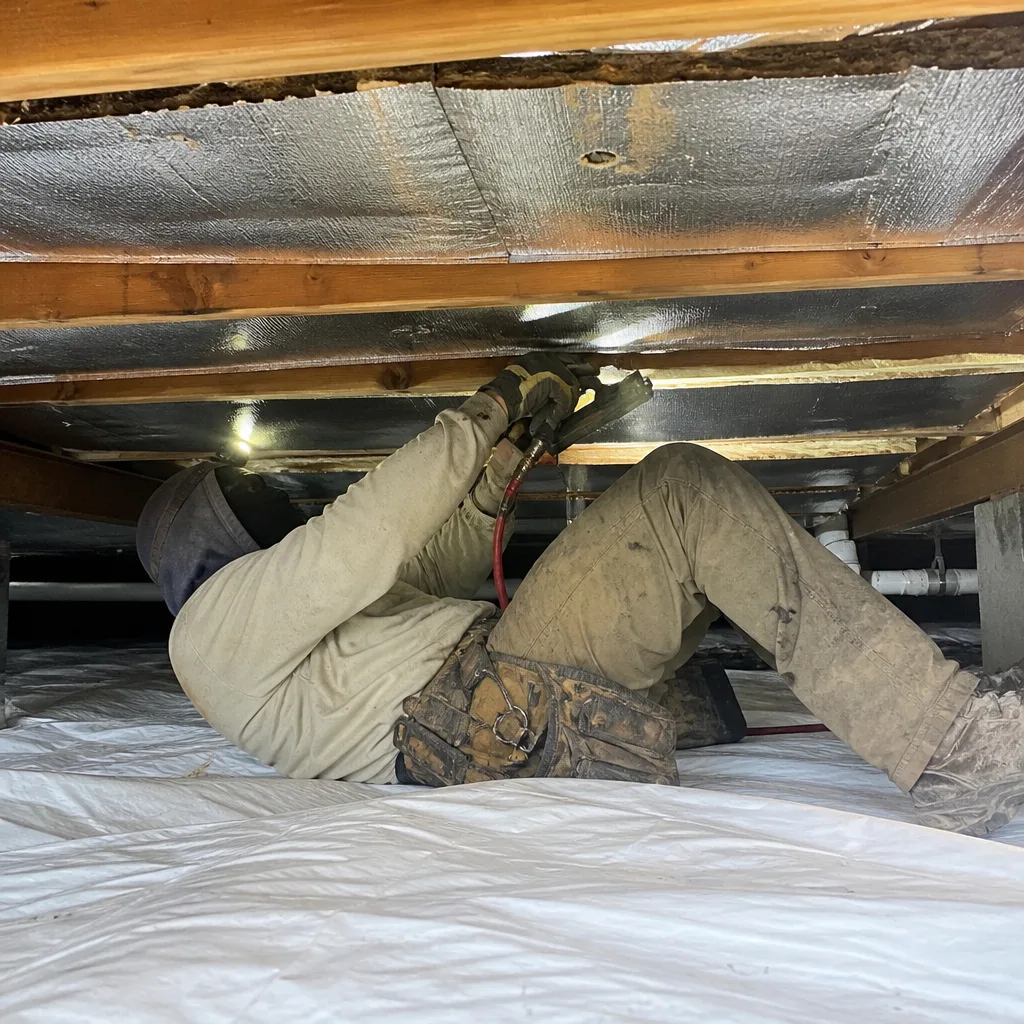
- Buying R-value without air sealing. Blown insulation over a leaking attic floor traps the leak and ignores the stack effect. In Las Vegas, that means the summer cooling bill stays roughly flat.
- Accepting a per-square-foot price with no line items. A single number hides whether air sealing was performed. Ask for the breakdown before you compare anything.
- Skipping the blower-door test on both ends. A before-and-after reading is the only way to verify the envelope actually improved. Without it, you are trusting a feeling.
- Installing below the code depth for climate zone. Twelve inches minimum for R-38. A topper at 9 inches looks finished and leaves you under-performed.
- Insulating a contaminated or rodent-affected attic without removal first. Rodents tunnel through fiberglass in North Las Vegas and older Henderson homes frequently. Insulating over the problem traps it.
- Choosing spray foam at the roof deck without checking duct location. If the ducts are already inside the conditioned space, foam may be overkill. If they are in a vented attic, foam is often the highest-payback option.
- Filing a rebate claim without the required documentation. The NV Energy program needs measured improvement, not a receipt. Confirm the contractor produces readings before the job starts.
When to Call a Professional
Call a professional when your summer cooling bill has climbed more than 15% year over year without a rate change, when you can see daylight or feel hot air at the attic hatch, or when a contractor has quoted you a per-square-foot number with no air-sealing line item. Call when a rodent problem has reached the attic floor, when a previous job was topped off without sealing, or when you are preparing a rebate claim and need documented before-and-after readings. Air sealing around can lights and duct boots involves electrical fixtures and combustion safety, and it should not be attempted as a weekend project. Envelope Insulation Las Vegas offers free estimates in Las Vegas, free second opinions on any written estimate, and a written price before any work starts. Call (833) 362-4859.
Frequently Asked Questions
Blown fiberglass runs $0.85 to $1.35 per square foot installed at R-38 to R-49, and blown cellulose runs $1.00 to $1.55. Those are material-only ranges. A properly scoped job adds $650 to $1,400 in air-sealing labor and $175 to $450 for the blower-door tests. Total installed cost is typically $1.15 to $2.60 per square foot. Call (833) 362-4859 for a written price on your specific attic.
Repair is typically cheaper when the existing material is clean, dry, and at depth, and only the air sealing was missed. That case usually adds $650 to $1,400 for the sealing work. Replacement is the correct choice when the material is rodent-contaminated, compressed, or water-damaged, and removal adds $1.10 to $2.00 per square foot. Call (833) 362-4859 for an onsite review.
The difference is almost always air-sealing labor, not the insulation material. Blown fiberglass costs roughly the same from every Clark County supplier. The $1.20 quote usually reflects a blow-and-go scope with no sealing and no blower-door test; the $2.80 quote usually reflects a sealed-first scope with published readings. Ask for line items and the CFM50 targets on both.
Yes, the NV Energy Home Energy Rebate program is based on measured improvement, which requires before-and-after blower-door readings in CFM50. The contractor must also produce a written scope showing R-value and air-sealing items, material specification sheets, and an itemized invoice separate from the rebate paperwork. Confirm the current program terms with NV Energy before the job is quoted. Call (833) 362-4859 if you need a contractor who provides this documentation.
Yes, most standard attic insulation jobs in Las Vegas are completed in one day. Air sealing followed by blown insulation on a 1,600 square foot attic typically takes a single crew day, with the blower-door test before and after included. Spray foam at the roof deck usually takes one day for a standard home and two for larger or complex roofs. Call (833) 362-4859 to schedule and get a written price first.
A documented improvement from 8.0 to 4.5 ACH50 on a 1,800 square foot Las Vegas home saves roughly $280 to $520 per year on cooling at current NV Energy tiered rates. The savings are highest in homes where ducts run through a vented attic and can lights were unsealed. We publish the before-and-after CFM50 numbers on every applicable job so you can see the actual improvement. Call (833) 362-4859 for a free estimate.
The Bottom Line
Insulation cost in Las Vegas is a story about air-sealing labor, not about material price. Blown fiberglass costs the same from every Clark County supplier; what varies is whether the top plates, can lights, and duct boots were sealed first, and whether the result was measured and documented. A complete job on a 1,200 to 2,200 square foot Las Vegas home typically lands between $1,800 and $4,500. The bottom of that range is usually a blow-and-go scope; the top is a sealed-first scope with before-and-after blower-door numbers and a photo record. Ask for the line items, ask for the CFM50 readings, and you will know within ten minutes which one you are being sold.
Envelope Insulation Las Vegas connects Las Vegas homeowners with trained professionals who seal first and insulate second. Every job under The Haven Standard starts with a written price and a written scope, and closes with a documented record. A free second opinion on any written estimate is standard. Our technicians have up to 10 years of experience. Call (833) 362-4859 for your free estimate.
Written by the team at Envelope Insulation Las Vegas.