
Last updated November 17, 2026
Blown-In Insulation Maintenance Schedule: What to Do and When
A blower-door test on a 2019 Las Vegas home read 4.1 ACH50 when the attic was sealed and insulated. Four years later, the same test read 6.8. The insulation hadn’t moved an inch. What failed was the air-sealing layer beneath it, and nobody had looked. That’s the pattern we see across the Las Vegas Valley: blown-in insulation doesn’t collapse all at once. It degrades at predictable intervals tied to heat cycling, attic pressure swings, and settlement. This guide lays out a calendar-based inspection protocol built around blower-door retest dates, with the specific numbers that should trigger action.
Quick Answer
Blown-in insulation needs an instrumented check at year one (baseline blower-door retest), a depth-rod measurement at year three, and a full thermal scan at year five, then every two to three years after that. In Las Vegas, the harsh attic conditions accelerate air-sealing failure, so the schedule matters more than the R-value printed on your insulation receipt. Any ACH50 climb of 1.0 or more between tests means the seal has degraded and needs remediation before the insulation is touched.
Table of Contents
- Why Blown-In Insulation Needs a Schedule at All
- The Three Las Vegas Failure Modes
- The Year-by-Year Inspection Calendar
- What a Depth-Rod Reading Actually Tells You
- The Documentation Package to Keep After Every Inspection
- What You Can Check Yourself vs. What Needs Instruments
- Signs You’re Already Past Due
Why Blown-In Insulation Needs a Schedule at All
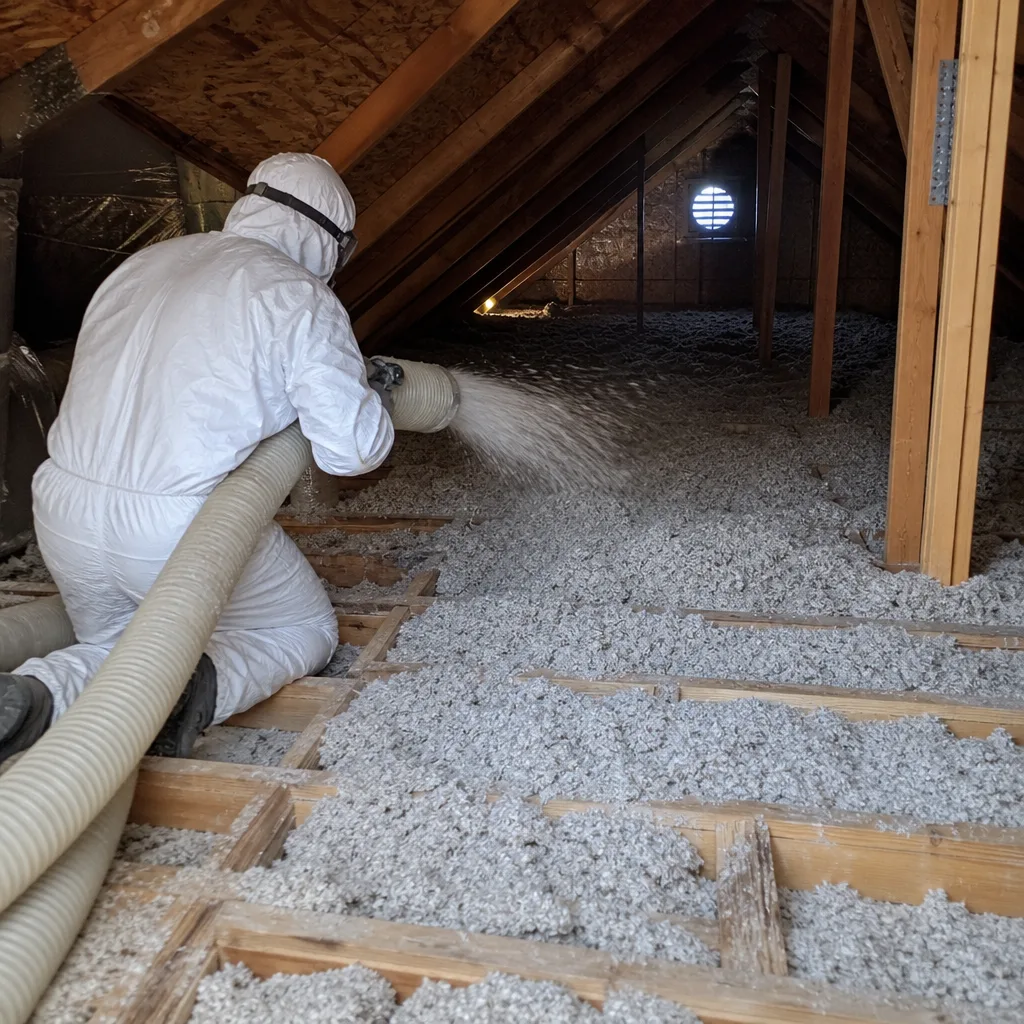
Most homeowners treat insulation as a one-time purchase. It goes in, it works forever, end of story. That’s not how building envelopes behave in a desert climate. Blown-in fiberglass and cellulose settle, air-sealing foam gaskets harden and crack under repeated thermal expansion, and ducted HVAC systems push air through attic penetrations that weren’t sealed correctly the first time. The insulation is the visible layer; the air seal underneath is what actually holds performance together.
In our experience across thousands of Las Vegas attic jobs, the insulation itself is rarely the first thing to fail. The seal fails first. When it does, conditioned air escapes into the attic, the insulation absorbs moisture from that air over time, and performance drops without any obvious visual signal. A homeowner looking at the attic sees fluffy pink or white material and assumes everything is fine.
The only way to know is to measure. That’s why we treat air sealing as a hard prerequisite before any insulation goes down, and why we publish before-and-after blower-door numbers on every applicable job. A blower-door test is a pressurization reading that shows, in a single figure, how much air your building envelope is losing. If you don’t have a baseline number, you can’t tell whether the envelope is degrading or holding steady.
The schedule below is not arbitrary. The intervals match the failure timelines we’ve observed in Las Vegas homes built between 2015 and 2025, where construction methods, HVAC sizing, and attic ventilation patterns are consistent enough to predict when things start slipping. The full range of envelope services, from Envelope Insulation Las Vegas home performance work through crawl space and spray foam, is built around this measured approach.
The Three Las Vegas Failure Modes
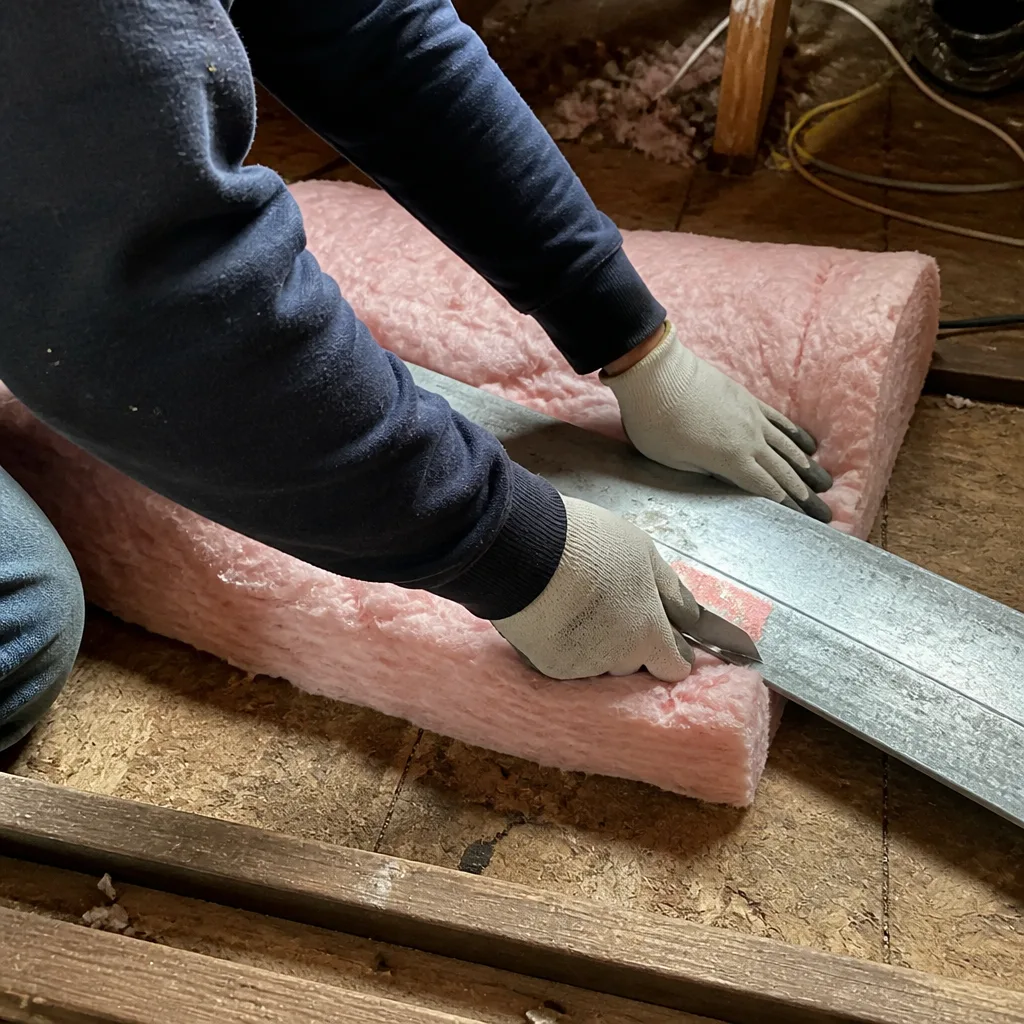
Las Vegas attic conditions are unusually punishing. Summer attic temperatures routinely exceed 150°F, then drop 60 to 70 degrees overnight. That daily thermal swing stresses every material in the assembly. Three specific failure modes show up again and again.
1. Thermal bridging from settled cellulose
Loose-fill cellulose settles over time, typically losing 15 to 20 percent of installed depth within the first three to five years. As it settles, it compacts, and its effective R-value per inch drops. More importantly, settlement opens gaps around trusses and top plates where thermal bridging occurs. Heat moves directly through the wood framing into the attic, and the insulation around those points stops doing its job. In a Las Vegas attic, this shows up as uneven ceiling temperatures in rooms below, often on the west and south sides where solar gain is heaviest.
2. Foam gasket degradation from heat cycling
Can lights, top plates, and electrical penetrations are sealed with foam gaskets and spray foam during air sealing. Under repeated extreme heat cycling, those gaskets harden, shrink, and crack. We regularly find gaskets in Las Vegas attics that have gone brittle within four to five years, especially on can lights near the ridge where temperatures peak. Once the gasket fails, the penetration leaks air again, and the blower-door number climbs.
3. Displaced batts from HVAC pressure imbalances
Ducted HVAC systems in Las Vegas attics run long hours in summer. If return ducts aren’t sealed and balanced correctly, the attic becomes pressurized or depressurized relative to the house. That pressure difference physically moves batts and loose-fill material, pushing insulation away from the very spots where it’s needed most. We’ve pulled back batts in Las Vegas attics to find three-inch gaps along the HVAC plenum where the insulation had been blown aside over years of pressure cycling.
The Year-by-Year Inspection Calendar
This is the schedule we recommend for any Las Vegas home with blown-in insulation installed in the last decade. It assumes the insulation was installed correctly with air sealing underneath. If the original install skipped sealing, the schedule compresses; expect failures at year one, not year three.
- Year 1 – Baseline blower-door retest. One year after installation, run a blower-door test to establish a baseline ACH50 number. Compare to the post-install reading. A climb of 0.5 or less is normal settling. Anything above 1.0 means the seal is already leaking and needs a visual inspection of top plates and penetrations.
- Year 3 – Depth-rod measurement across the attic. Take depth measurements at a minimum of 10 points across the attic floor, avoiding truss lines. Compare to installed depth. If any reading is more than 20 percent below original, the insulation has settled past acceptable tolerance and needs topping up.
- Year 5 – Full thermal scan plus blower-door retest. An infrared thermal scan of ceilings from inside the house reveals cold spots and thermal bridging that visual attic inspection misses. Pair it with a blower-door retest. If ACH50 has climbed more than 1.5 from baseline, schedule air-sealing remediation and re-insulation.
- Years 7 through 10 – Retest every 2 to 3 years. After year five, the failure curve accelerates. Keep the blower-door retest on a recurring cadence and watch for any jump above 0.75 between tests.
- Every year – Visual homeowner walkthrough. Check attic access for gaps, look for animal entry points, and note any new water staining or displaced insulation. This is a five-minute task, not a professional visit.
The calendar matters more in Las Vegas than in milder climates because the thermal swing is larger and the HVAC run hours are longer. Homes in Summerlin and Henderson near the foothills see slightly faster foam degradation than homes in flatter parts of the valley, likely because of greater overnight temperature drops near the elevation change.
What a Depth-Rod Reading Actually Tells You
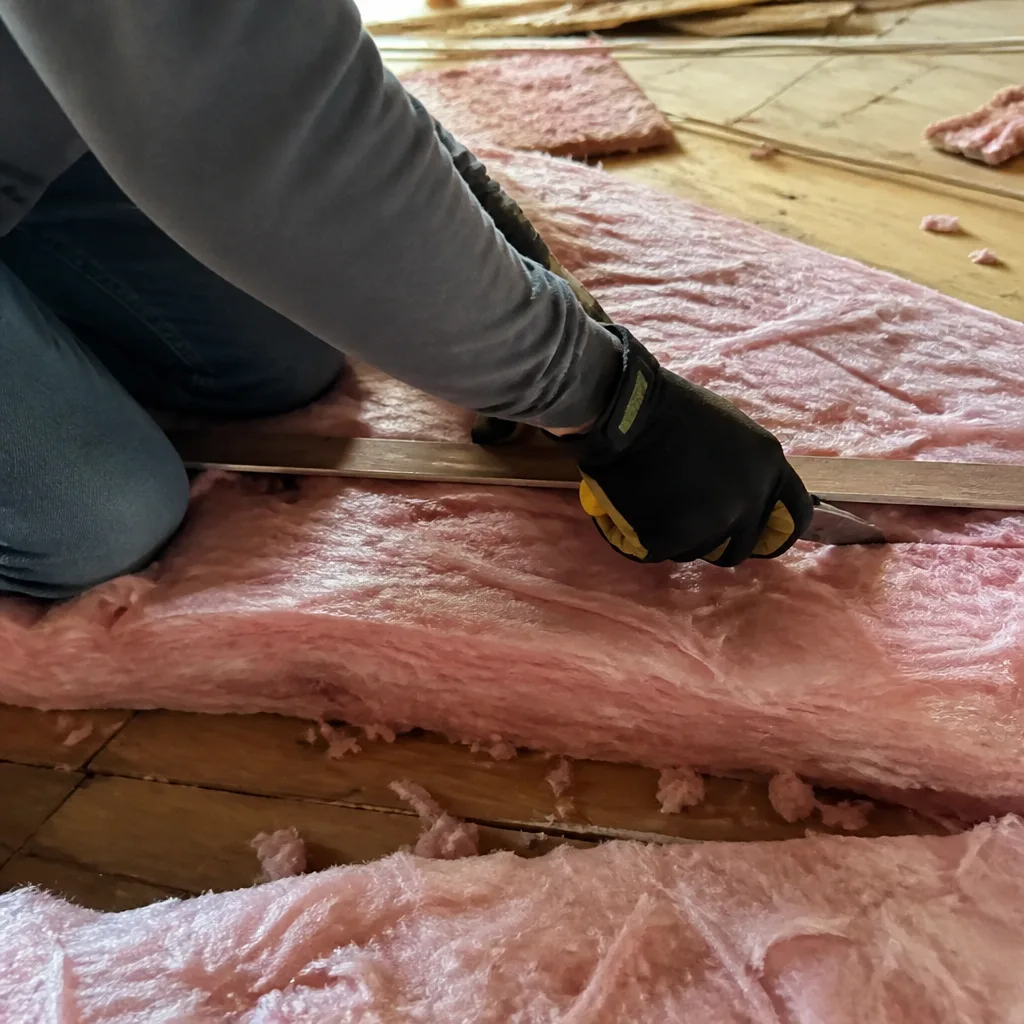
A depth rod is a thin marked stick pushed straight down through the insulation to the attic floor. The technician reads the depth at the mark, pulls it out, and records the number. It’s low-tech, and that’s the point. You’re measuring actual settled depth, not installed depth, and the difference over time tells you whether the insulation is still performing at its rated R-value.
In Nevada, the minimum attic R-value for a Las Vegas home is R-38. For loose-fill fiberglass at roughly 2.5 R per inch, that’s a settled depth of about 15 inches. For cellulose at roughly 3.2 R per inch, that’s about 12 inches. Those are the target depths after settling. If a depth-rod reading comes in below those numbers, the insulation has fallen out of compliance with Nevada’s energy code requirements for the climate zone, and remediation is warranted.
The reading also tells you where insulation is thin, not just how thin. A single low reading near an HVAC plenum points to pressure displacement. Uniformly low readings across the whole attic point to general settlement. Scattered low spots near trusses suggest thermal bridging combined with compaction. Each pattern leads to a different fix, and the depth-rod data is what separates them.
For homes with Spray Foam Insulation in Las Vegas, depth-rod measurement is less relevant because spray foam bonds to the substrate and doesn’t settle. The blower-door retest still applies, and visual inspection for foam shrinkage or cracking at the perimeter remains part of the schedule.
The Documentation Package to Keep After Every Inspection
An inspection without documentation is nearly useless when you go to sell the home, file an insurance claim, or compare contractor quotes. Every inspection visit should end with a package you can file and reference later. Under Haven Standard: Have it in writing, here’s what that package should contain:
- Dated photos of the attic in four quadrants, showing insulation depth relative to truss height and any visible gaps or staining.
- Depth measurements at each of the 10 or more points, with attic location notes for each reading.
- Blower-door ACH50 number with the test conditions (indoor/outdoor temperature, wind), paired to the baseline number.
- A signed condition report noting any remediation needed and the reason, so a future contractor can see the history.
Keep this package with your home records. When you list the home or refinance, it becomes evidence of maintained envelope performance. When you get a competing quote for remediation, it lets any contractor read the history without guesswork. We include a Documented Photo Record on every visit, along with the blower-door readings on applicable jobs, because the customer should own that record, not the contractor.
What You Can Check Yourself vs. What Needs Instruments
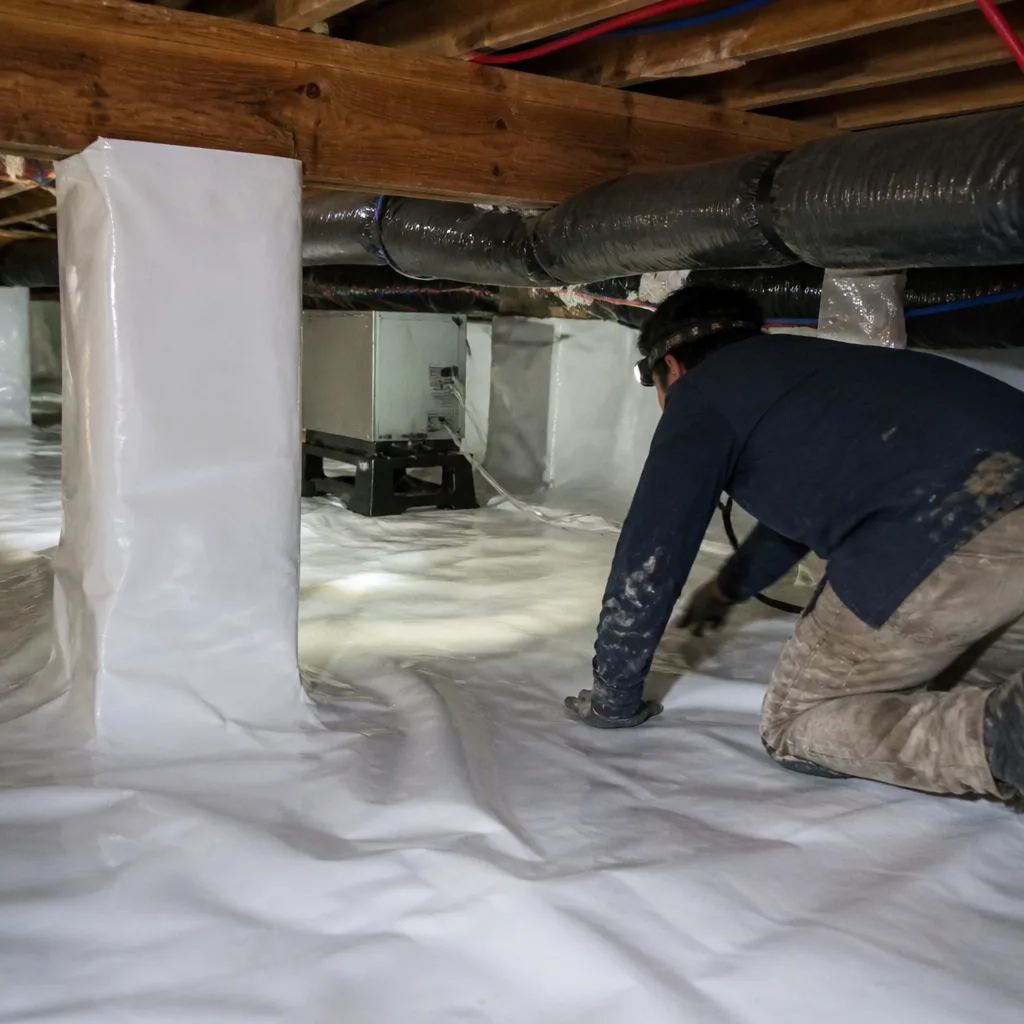
Some maintenance is genuinely homeowner work. Some isn’t, and pushing past that line can damage the envelope or put you in a dangerous spot. Here’s the split we recommend.
Safe for homeowner visual checks
- Pop the attic access and look for displaced insulation, gaps around the access hatch, or new staining on the sheathing.
- Inspect the exterior of the home for animal entry points near the roofline, soffits, and vents.
- Note any ceiling areas or rooms that feel hotter than they used to, and write it down with a date.
- Check that the attic access panel itself is insulated and weatherstripped.
Requires a trained professional with instruments
- Blower-door testing. This requires a calibrated fan, a manometer, and correct setup on a closed house.
- Infrared thermal scanning. Interpretation requires knowing how building assemblies behave under temperature differential.
- Depth-rod measurement across a full attic. Roof pitch, decking, and low clearances make this a fall hazard for an untrained homeowner.
- Inspecting or repositioning insulation around can lights and HVAC penetrations. Many older can lights are not IC-rated, and covering them with insulation is a fire hazard. Never push insulation against a non-IC fixture.
- Any work involving gas lines or electrical penetrations. Those get handled by a licensed trade, not a homeowner with a caulk gun.
Attics are also dangerous in Las Vegas in ways that don’t apply in milder climates. Attic temperatures can exceed 150°F in July and August, and the heat stress on an unfamiliar body in a confined space is real. We schedule inspections early in the morning for this reason.
Signs You’re Already Past Due
Not everyone has a baseline blower-door number from year one. If you don’t, the schedule compresses around whatever diagnostic you can schedule now. Here are the signals that say it’s time regardless of the calendar.
- Your summer electric bill has climbed more than 15 percent year over year without a rate change.
- Upstairs rooms run 5 to 8 degrees warmer than downstairs in July, a gap that’s widened over recent summers.
- You can see the tops of attic trusses above the insulation line from the access hatch.
- Insulation in the attic looks dirty, matted, or compressed near HVAC equipment.
- There are visible moisture stains on attic sheathing or truss tops.
- You have never had a blower-door test run on the home since it was built.
Any two of those together point to a remediation job, not just a top-up. That’s when a full energy audit makes sense before anything else. Envelope Insulation Co. offers homeowners a free second opinion on any written estimate, which is worth using if you’ve already been quoted remediation; the second read is often revealing. For homeowners with crawl space involvement, the same logic applies to vapor barriers and encapsulation, covered in Crawl Space Encapsulation & Vapor Barrier in Las Vegas.
Common Mistakes to Avoid
- Blowing new insulation over the old without resealing first. This is the single most common error we find in Las Vegas attics. New insulation on top of a leaking air seal just buries the problem and makes the next inspection harder.
- Relying on visual inspection as the only maintenance check. Insulation looks fine right up until performance drops below the point where you notice it on a bill. Instruments catch what eyes don’t.
- Skipping the blower-door retest because the install was recent. Four years is enough time for the seal to fail in a Las Vegas attic; we’ve seen it inside of three in homes near Summerlin with heavy west-facing solar exposure.
- Topping up insulation to “R-49” without checking the sealed layer first. Higher R-value over a leaky envelope gives you the same comfort as a better blanket over an open window.
- Ignoring the HVAC pressure balance question. If ducts are unbalanced, new insulation will displace again within two or three cooling seasons. Balance matters before material goes down.
- Not keeping the inspection records. Without the depth measurements and ACH50 history, every future decision starts from scratch, and so does every future contractor quote.
- Covering non-IC can lights. Most homes built before the mid-2000s in the Las Vegas Valley have can lights that aren’t rated for direct insulation contact. Verify before adding material.
When to Call a Professional
Call a professional if any of the following apply: your last blower-door reading is more than 1.0 ACH50 above baseline, your depth-rod readings are more than 20 percent below installed depth, you can see truss tops from the access hatch, you’re seeing water staining on attic sheathing, or your energy bill has climbed sharply without a rate change. Any two of those together points to remediation rather than a simple top-up. Some homeowners also call when they’re planning a sale or refinance and want an updated envelope record.
Envelope Insulation Las Vegas offers free estimates in Las Vegas. Call (833) 362-4859 to schedule an inspection with a documented written price before any work starts. A live person answers calls around the clock.
Frequently Asked Questions
Every year for a homeowner visual check, and professionally at year one (blower-door retest), year three (depth-rod measurement), and year five (full thermal scan plus retest). After year five, a professional retest every two to three years is the right cadence for a Las Vegas home. The climate here accelerates air-sealing failure compared to milder regions. Call (833) 362-4859 to schedule an inspection with a written scope and price.
Both, and the order matters. The insulation settles first, then the air-sealing layer underneath it degrades, and that second failure is what actually drives performance loss. Blown-in fiberglass and cellulose lose about 15 to 20 percent of installed depth within the first three to five years. The ACH50 climb is what tells you the seal has also failed. Call (833) 362-4859 to have both measured on the same visit.
A rise of 1.0 or more from the post-install baseline, or any number above 5.0 ACH50 for a home with recent insulation upgrades. For a Las Vegas home built in the last decade with a proper air-sealed install, a stable reading below 4.0 ACH50 is a healthy signature. A climb from 4.1 to 6.8 over four years, which is a pattern we’ve documented, means the air seal has degraded and needs remediation. Call (833) 362-4859 for a retest.
Not without checking the seal first. Blowing new insulation over an unsealed attic floor is the most common mistake we correct in Las Vegas. The new material hides the leak, doesn’t restore performance, and makes the next inspection harder. Air sealing comes first, then insulation, always. Call (833) 362-4859 if you want the order verified before material goes in.
Roughly 45 minutes for the test itself, and it doesn’t disturb the attic. The technician sets the fan in an exterior door frame, closes windows and interior doors to standardize the reading, and pressurizes to 50 Pascals. You’ll get a printed ACH50 number and a copy of the test conditions in the same visit. Call (833) 362-4859 to schedule a retest; we include readings and a Documented Photo Record with the results.
Partially. Spray foam bonded to the substrate doesn’t settle, so the depth-rod calendar doesn’t apply. The blower-door retest and the year-five thermal scan still do, because perimeter shrinkage and cracks at the foam edges can open over time. Las Vegas homes with spray foam in the roofline still benefit from the same ACH50 monitoring. Call (833) 362-4859 to schedule an inspection tailored to the foam system you have.
The Bottom Line
Blown-in insulation in a Las Vegas attic needs a calendar, not a one-time install. The year-one blower-door retest gives you a baseline. The year-three depth-rod measurement catches settlement and displacement. The year-five thermal scan and retest catch foam gasket failure and thermal bridging. Each inspection should end with a written package of photos, depth numbers, ACH50 readings, and a signed condition report, filed with your home records for future decisions. The insulation itself rarely fails first. The seal underneath does, and it fails quietly unless you’re measuring. That’s the whole reason this schedule exists.
If you want the schedule run on your home, Envelope Insulation Co. operates in Las Vegas with a written price before any work starts, a 365-Day Done Right Promise, and documented records on every visit. Explore Attic Insulation in Las Vegas for the install side, or read about the full building-envelope service line at Envelope Insulation Las Vegas home.
Call (833) 362-4859 for a free estimate. A live person answers around the clock, and the first thing we do is measure before we quote.
Written by the team at Envelope Insulation Las Vegas.