Signs Your Attic Needs More Insulation in Las Vegas, NV
The earliest reliable sign your attic needs more insulation in Las Vegas is a depth ruler that reads low: if the ruler installed at the last insulation job now shows less than its original mark, the material has settled or compacted and the R-value has fallen with it. A ceiling that feels warm to the touch while the AC is running, and a blower-door reading above 7 ACH50, are the next clearest signals. Spotting these early usually means a smaller, cheaper fix than waiting for the cooling bill to jump. If any of them sound familiar, call (833) 362-4859 for a free, no-pressure assessment.
Most homeowners wait for the financial signals - a bill that climbs, a system that won’t keep up - but those arrive years after the physical evidence is already sitting in the attic. In the Mojave Desert, the timeline is shorter and the markers are more specific than any generic checklist suggests.
Why Las Vegas Attics Fail Faster Than the National Advice Suggests
Our attics routinely top 160°F in July and August, and the housing stock makes that worse. The typical metro-area home is a 1990s or 2000s stucco-over-wood-frame tract build with a low-slope tile roof and a shallow attic that bakes under intense solar load and very low humidity. Builder-grade R-19 or R-30 fiberglass batts have had two or three decades of heat cycling to settle, sag, and blow around in wind-driven dust. Insulation that performs fine in a mild climate can be underperforming here long before it’s visibly missing.
That’s why the standard “high bills, hot rooms” list is really the end stage in Las Vegas, not the beginning. The useful early indicators are physical and measurable, and most of them cost nothing to check.
What to Look For Before Your Bill Tells You Anything
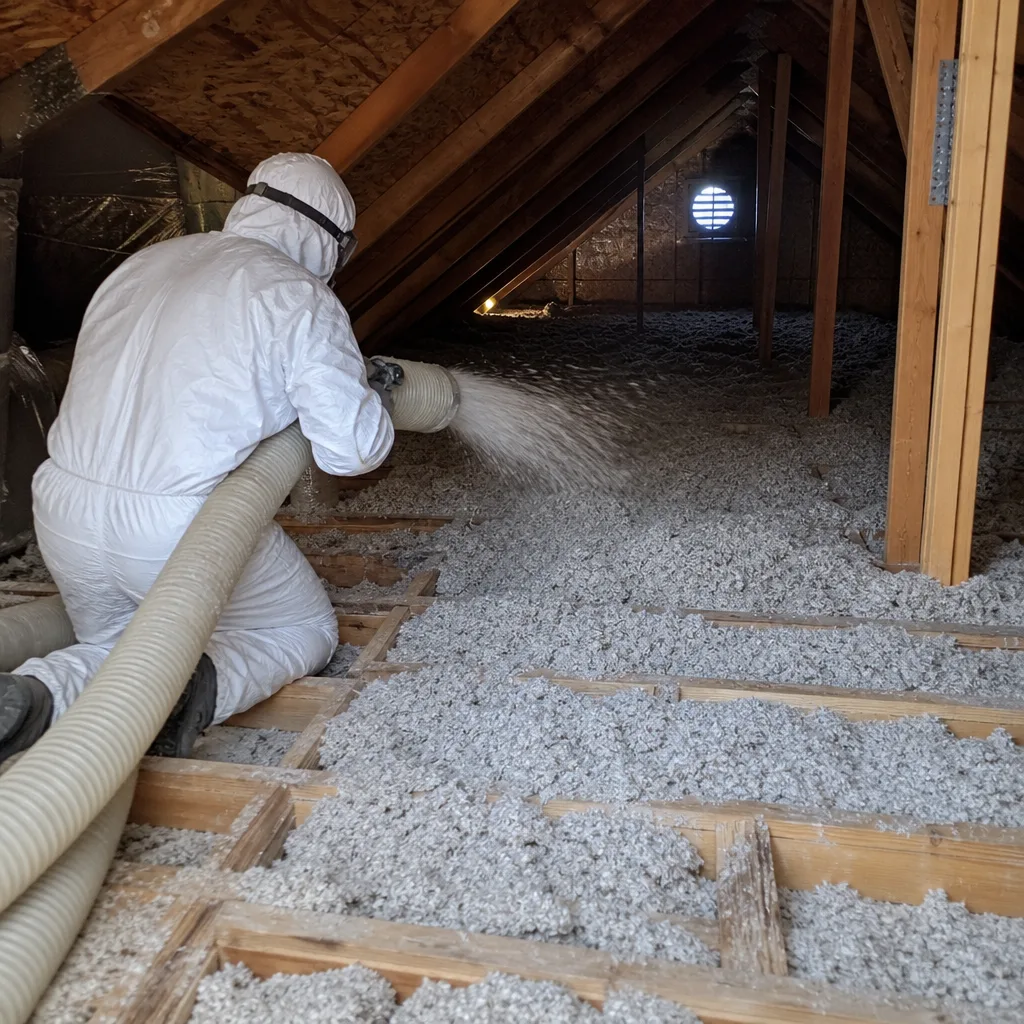
1. Depth ruler failure - check it yourself
When insulation is properly installed, the installer leaves depth rulers - small markers set at intervals to show how deep the material should sit. In a healthy Las Vegas attic, those rulers should still read their original depth years later. When you look and the insulation has compacted below the ruler’s minimum marker, that’s a visual sign the R-value has dropped, and it’s something you can verify on your own before calling anyone. Sun City Summerlin is a common place we see it: original 1990s blown-in fiberglass compacted down to roughly R-10, laced with dusty desert sediment.
2. The cold-air ceiling test - a tactile summer signal
This one is specific to how harsh our summers are. Run the AC on a hot afternoon, then put your palm flat on the ceiling in a room directly under the attic. If the surface is noticeably warm to the touch, the temperature difference across that ceiling is high enough that the insulation above has degraded. You feel this well before your thermostat starts struggling - it’s an early warning the financial signals can’t give you.
3. No radiant barrier in a 1990s tile-roof home
In 1990s Las Vegas tile-roof construction - common in Summerlin and Henderson - the absence of a radiant barrier is a structural sign of underperformance, not just a missing upgrade. Original construction here predates widespread radiant-barrier adoption, so the insulation alone was never designed to handle the full solar load the roof takes. Adding a reflective layer so heat is rejected rather than absorbed is a frequent, high-payback fix, and it’s one out-of-state crews routinely skip because their climates don’t demand it.
4. A blower-door reading above 7 ACH50
ACH50 (air changes per hour at 50 pascals) is a blower-door reading - a pressurization measurement that shows, in one number, how much air your building envelope is losing. On a sealed Las Vegas home, a reading above 7 ACH50 means the house is leaking fast enough to nullify a significant fraction of whatever insulation is installed. Insulation slows heat flow; it doesn’t stop air movement. If conditioned air is escaping through gaps at the top plates, can lights, and penetrations, adding more material over the top won’t fix the leak underneath it.
Repair What’s Wrong First, or You’ll Pay Twice
The four signs above point to different underlying problems, and the fix differs accordingly. That matters, because a common failure we see is a competing estimate that says “add R-19 on top” without ever taking a blower-door reading. Blowing more insulation over an unsealed attic floor can move the number in the wrong direction and leaves the real problem intact.
That’s exactly where a free second opinion earns its keep. Bring us a written estimate and we’ll read it with you. If no blower-door test was taken, we determine whether the real fix is more insulation, air sealing first, or both - and the written scope documents which problem is being solved. Under The Haven Standard, every job starts with a flat written price, a written scope, and a written warranty before anyone lifts a tool. No work starts without it.
- Air sealing first, always. Top plates, can lights, and penetrations get sealed before any insulation goes down. We won’t blow material over an unsealed attic floor.
- Then insulation to the right depth - in most underserved Las Vegas attics, re-blowing to R-49 with a product like GreenFiber or Owens Corning.
- Radiant barrier where the roof load calls for it, especially unshielded 1990s tile roofs.
- Before-and-after blower-door numbers published so you can see, in one figure, how much air the home was losing before and after.
- A Documented Photo Record on every visit - included, not available on request.
Technicians on these jobs carry up to 10 years of experience, and they’ve seen enough shallow, sun-baked attics to read the signs quickly. Our full line covers the whole building envelope, from insulation installation in Las Vegas to attic air sealing, radiant barriers, and home energy audits, so the assessment points to a real fix rather than a guess.
More Insulation vs. a Sealing Problem: What Does It Cost to Correct?
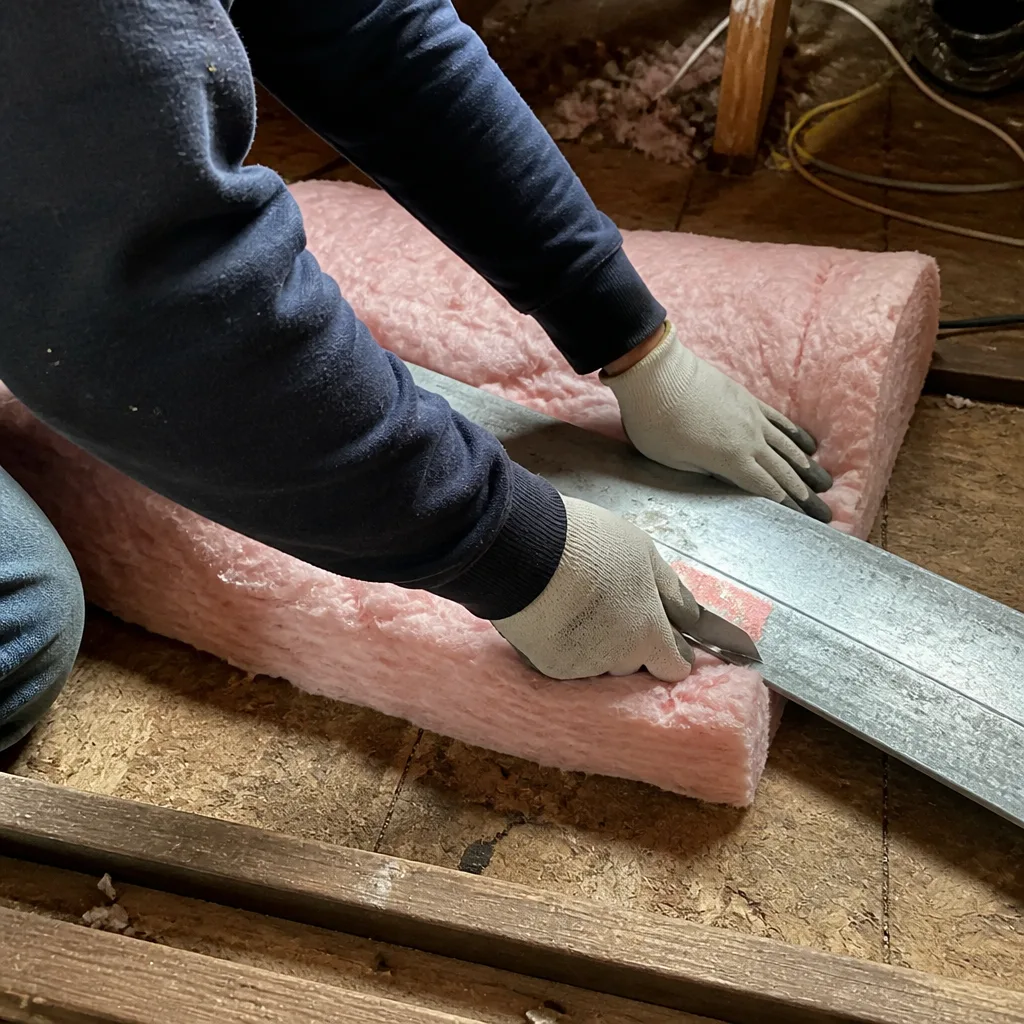
Early detection usually means a smaller job. A depth-ruler or cold-ceiling check that gets caught before bills climb often resolves with a targeted fix rather than a full re-insulation. Here are the ranges we see for Las Vegas homes:
| What needs doing | Typical Las Vegas range |
|---|---|
| Blower-door test + written assessment | Included in our assessment, free second opinion on any written estimate |
| Attic air sealing (top plates, can lights, penetrations) | $600 - $1,400 |
| Re-blow to R-49 with a brand like Knauf or Johns Manville | $1,600 - $3,300 |
| Radiant barrier for an unshielded 1990s tile roof | $1,500 - $3,000 |
Ranges depend on square footage, existing depth, and how much sealing the attic floor needs. The written price you get before work starts is flat, so the scope in writing matches the number on the page. Keep in mind that cold ceilings and high ACH50 readings are the corrective, not the cosmetic, fix - and correcting them here pays back faster than almost anywhere, because in a 105°F-plus city, cooling dominates year-round energy use. That same brutal sun is why radiant barriers degrade and blown-in fiberglass breaks down over time, so the work has to be UV-rated, wind-resistant, and focused on reflecting heat, not merely trapping it.
Frequently Asked Questions
The first signs are physical, not financial: a depth ruler reading below its original mark, a ceiling that feels warm to the touch while the AC runs, and a blower-door reading above 7 ACH50. These show up years before your cooling bill spikes. If you’re seeing any of them, call (833) 362-4859 - the assessment is free.
Yes. Look at the depth rulers left by the last installer; if the material has settled below the ruler’s minimum marker, the R-value has dropped and it’s time to act. You can also run the cold-air ceiling test with the back of your hand. Neither requires tools or climbing into a hot attic - but the correction itself is a pro job. Call us for an exact quote.
Air sealing first is almost always the cheaper and more effective order, because more insulation over an unsealed attic floor won’t stop conditioned air from leaving. Insulation slows heat flow; it doesn’t fix air leaks at top plates and penetrations. Sealed first, then insulated - that’s the order, and the blower-door numbers prove it. Call (833) 362-4859 to find out which fix your home actually needs.
No - the depth ruler and warm ceiling tell you something’s wrong, but only a blower-door reading tells you whether the problem is infiltration, degraded R-value, or both. A contractor who quotes “add R-19 on top” without a reading hasn’t diagnosed the problem. Bring us any written estimate and we’ll give you a free second opinion and a written scope. Estimates are free; call today.
Get It Checked Before It Gets Expensive
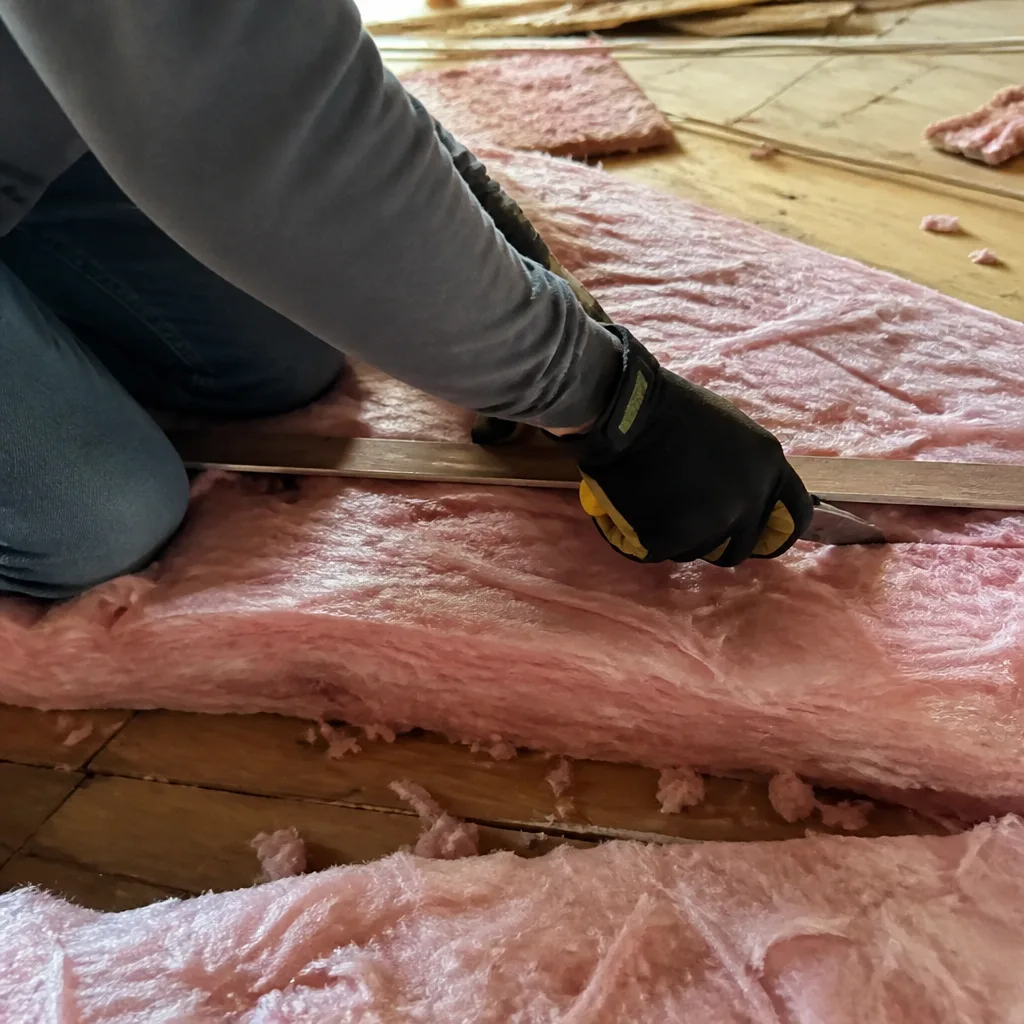
“Add R-19 on top” isn’t a diagnosis. Get the signs checked, get the blower-door number, and get a written price before anyone lifts a tool. If you’d rather have it looked at, Envelope Insulation Las Vegas offers a no-pressure assessment in Las Vegas - call (833) 362-4859. On every applicable job we publish the before-and-after blower-door readings, back the work with the 365-Day Done Right Promise, and leave a Documented Photo Record so you know exactly what changed.
Written by the team at Envelope Insulation Las Vegas, serving Las Vegas, NV.